
Top Swimming Pool Heat Pump and Water Chiller Benefits
Key Takeaways
Heat pumps extend the swimming season year-round by maintaining consistent water temperatures, enhancing pool enjoyment and property value.
They offer significant energy savings, with operating costs up to 80% lower than traditional heating methods and a high Coefficient of Performance (COP).
Heat pumps and chillers provide dual functionality for heating and cooling, making them space-efficient and cost-effective solutions for maintaining comfortable pool temperatures.
Year-Round Pool Enjoyment
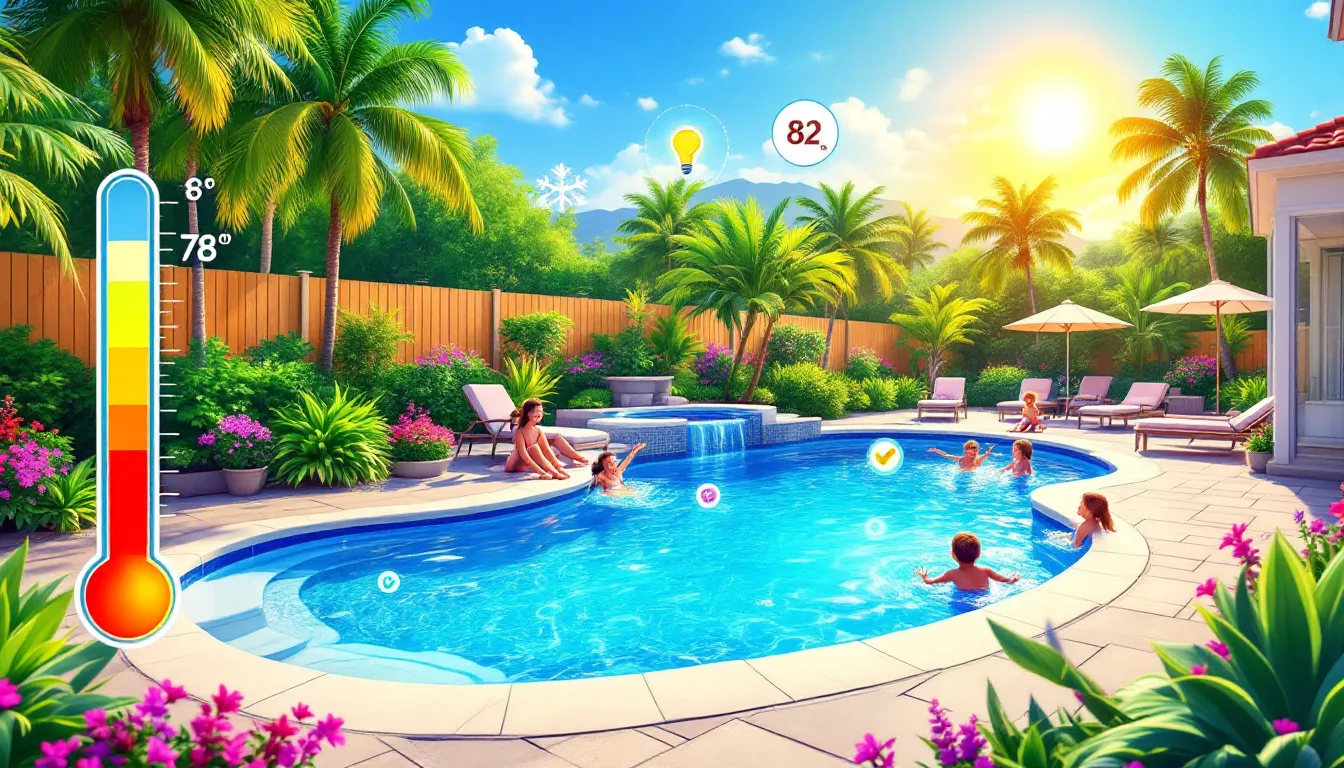 Owning a fiberglass pool allows for year-round use. A heat pump extends the swimming season beyond summer, maintaining consistent water temperatures that make the fiberglass swimming pool enjoyable even in cooler weather. No matter the time of year, your pool water will remain comfortable, offering endless fun and relaxation. Additionally, fiberglass pools provide a durable and low-maintenance option for homeowners.
Heat pumps and chiller combos effectively maintain optimal water temperatures, ensuring pool comfort throughout the year. Homeowners frequently praise these systems for significantly enhancing their pool's usability and comfort, leading to more time spent enjoying the pool with family and friends.
A climatized pool can significantly enhance your home's marketability. Potential buyers favor properties with year-round pools usability, making your home a more attractive and valuable investment.
Energy Efficiency and Cost Savings
Heat pumps excel in energy efficiency compared to traditional pool heating methods like natural gas, reducing energy consumption by up to 80%. Thanks to their efficiency, heat pump heaters generally have lower annual operating costs than gas heaters.
With a COP ranging from 3.0 to 7.0, heat pumps deliver three to seven kilowatts of heat per unit of energy consumed. Users often report substantial energy bill reductions after switching to heat pumps, enjoying both heating and cooling benefits at lower operational costs.
Dual Functionality: Heating and Cooling
 Modern heat pumps offer dual functionality, heating and cooling pool water to suit any climate. They maintain a comfortable temperature by drawing heat from the air or removing it, whether the water is too hot in summer or too cold in the off-season.
This dual functionality provides year-round comfort, enhancing the swimming experience without needing separate heating and cooling systems, thus saving space and money.
How Swimming Pool Heat Pumps Work
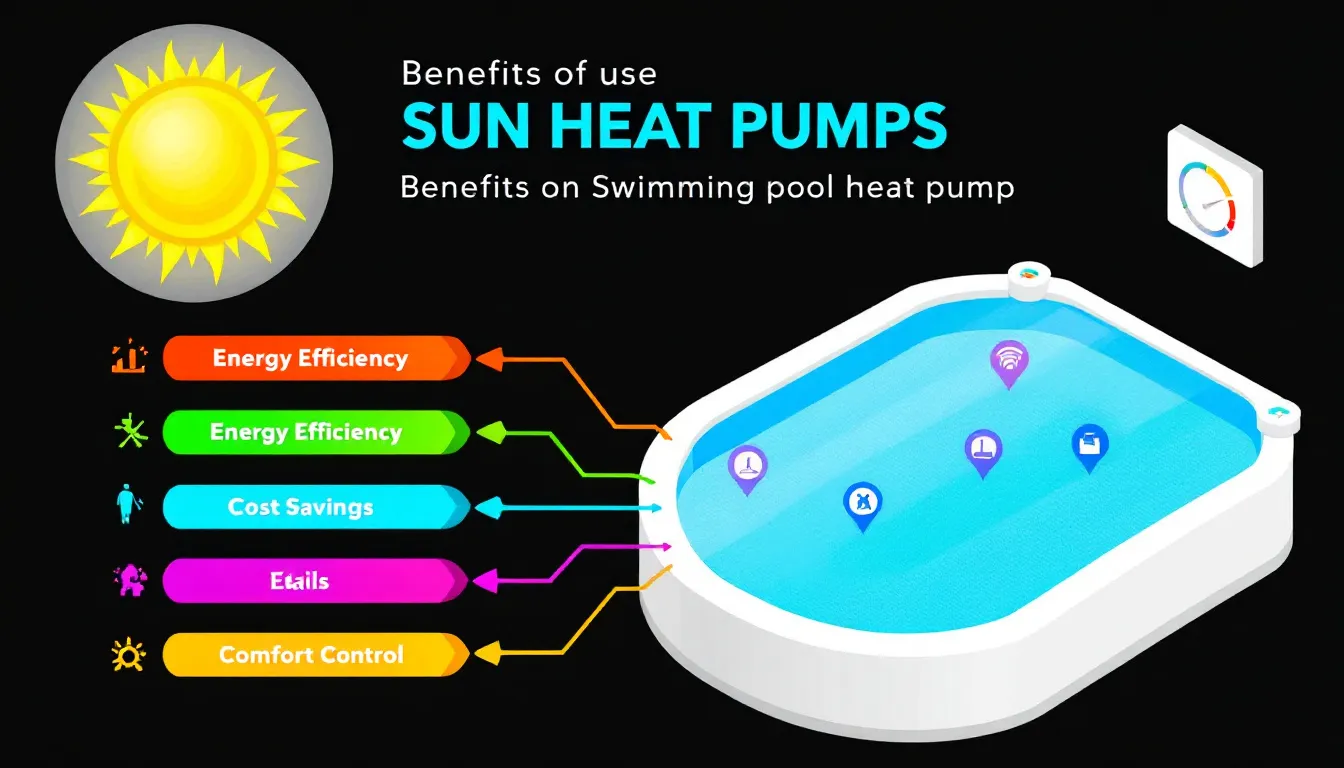 Heat pumps transfer heat from the outside air to the pool water using minimal energy. Pool water circulates through a pump, filter, and heat pump, absorbing heat from the air and transferring it to the water. This process is highly efficient, especially in warmer climates where outdoor temperatures exceed 50 degrees Fahrenheit, boosting the pump's performance.
Heat pump efficiency is measured by the Coefficient of Performance (COP), with higher values indicating greater efficiency. Advanced models often include scroll compressors, which are more effective than standard compressors at elevating gas temperature after heat absorption. This hot gas then flows through a condenser, transferring heat to the pool water before returning to liquid form.
Understanding Water Chillers
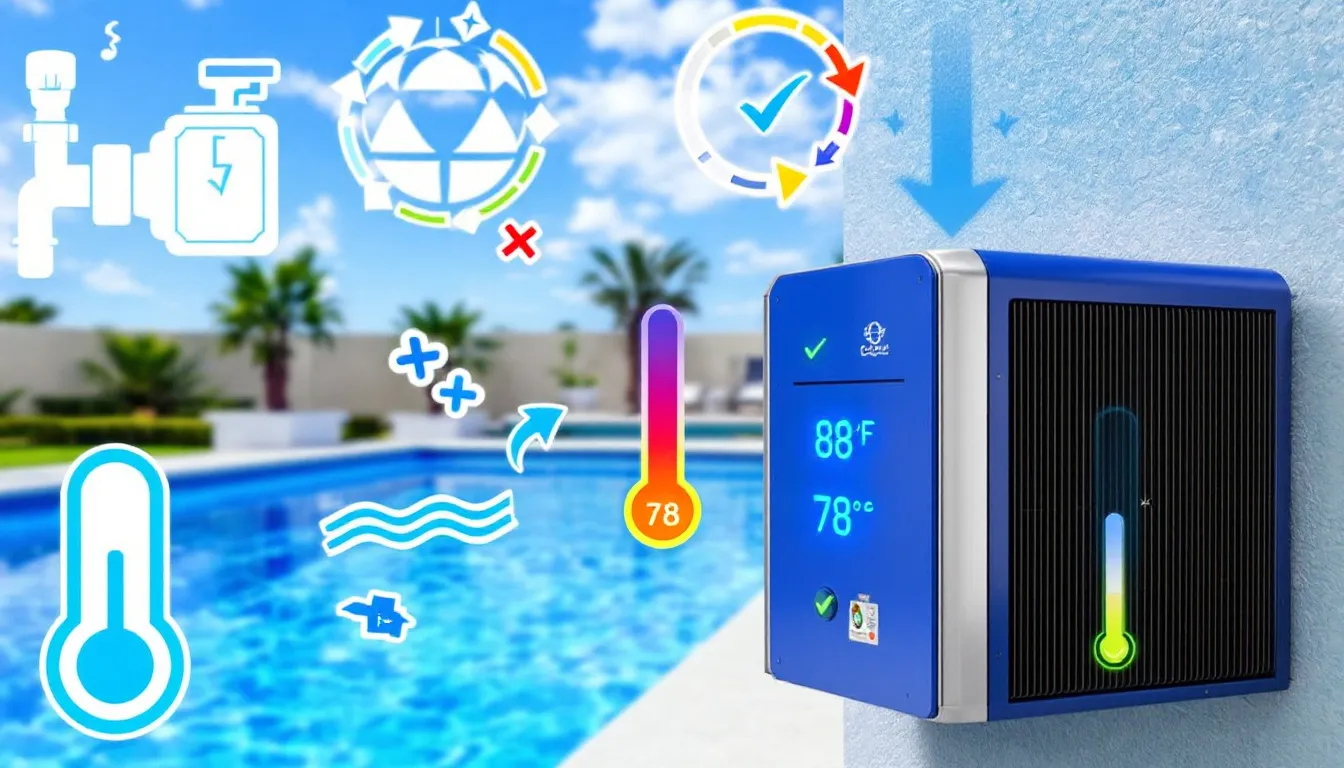 Water chillers cool pool water by pulling heat out and releasing it into the air. This is especially beneficial during hot weather, ensuring the pool remains at a comfortable temperature for swimmers.
Chillers also reduce algae growth by lowering water temperature, making the environment less hospitable for algae. This leads to a cleaner and more enjoyable swimming experience.
Selecting the Right Heat Pump or Chiller
Selecting the right heat pump or chiller involves considering factors like water volume, surface area, and local climate. For example, a pool with 10,000 gallons of water would need a heat pump rated at 60,000 BTU or more. Other factors include average air temperature, wind exposure, humidity levels, and cool night temperatures.
Heat pump pool heaters come in various sizes, typically rated based on BTU output and horsepower. Standard sizes include 3.5 hp/75,000 Btu, 5 hp/100,000 Btu, and 6 hp/125,000 Btu, catering to different pool heater needs.
Consulting with a professional installer can help assess your specific needs and recommend the most suitable heat pump or chiller for your property.
Installation Considerations
Proper installation ensures optimal performance and longevity of heat pumps and chillers. Professional installation guarantees that all components function correctly and efficiently, significantly extending their lifespan. An expert installer minimizes the risk of improper setup, which can cause performance issues and increase energy costs.
Most heat pumps need a dedicated power supply and operate on 240 volts, possibly requiring electrical upgrades. Proper maintenance and installation can extend the lifespan of heat pump pool heaters to over a decade, making them a worthwhile investment.
Having a qualified pool professional handle the installation ensures everything is set up correctly.
Maintenance Tips for Heat Pumps and Chillers
Maintaining swimming pool heat pumps is straightforward, contributing to their popularity. With proper maintenance and installation, heat pump pool heaters can last over a decade. Regular maintenance includes scheduling professional inspections to identify potential issues early and regularly checking and cleaning heat pump filters to maintain efficiency.
Inspecting the heat pump's electrical components and connections annually prevents failures. Ensuring proper airflow around the unit enhances performance and longevity. Monitoring refrigerant levels and checking for leaks ensures optimal operation. Clearing debris or vegetation around the unit maintains airflow and efficiency.
Cost Analysis: Initial Investment vs. Long-Term Savings
Although heat pump pool heaters require a higher initial investment compared to conventional heating systems, their long-term energy savings can offset this cost. These units usually have lower annual operating costs and incur fewer maintenance expenses, resulting in significant long-term savings. A lifecycle cost analysis, assessing both installation costs and energy savings over time, can help determine the viability of investing in a heat pump.
Dual-function heater-chiller units can pay off within three years through energy savings. By reducing reliance on fossil fuels and generating fewer greenhouse gas emissions, heat pumps save money and contribute to a greener environment.
Environmental Impact
Heat pumps are eco-friendly as they don't rely on fossil fuels or emit harmful gases. Using electricity, which can be sourced from renewable energies, makes them a more sustainable option than fossil fuel-based systems.
Using heat pumps in the building sector can significantly reduce reliance on fossil fuels, minimizing environmental pollution. They lower greenhouse gas emissions and reduce the environmental footprint of pool heating.
Enhancing Home Value
A heated pool is an attractive feature for prospective buyers, increasing property appeal and market value. Adding a heat pump or chiller enhances pool usability, extending the swimming season and increasing home value.
Investing in heat pumps or chillers increases property value by enhancing pool usability and attractiveness, making it a smart investment for boosting marketability and overall value.
Customer Testimonials
Customers who have installed heat pumps and chillers frequently express satisfaction with the improved pool experience, noting significant increases in pool enjoyment and praising the devices for reliability and efficiency, making it an enjoyable experience.
Positive feedback also extends to the installation process, with customers highlighting the helpful, professional, and timely service. These testimonials underscore the value and benefits of investing in high-quality heat pumps and chillers.
Summary
In summary, swimming pool heat pumps and water chillers offer numerous benefits, from extending the swimming season and enhancing comfort to saving energy and reducing costs. They also contribute to environmental sustainability and can increase the market value of your home. By choosing the right heat pump or chiller and ensuring proper installation and maintenance, you can enjoy a more enjoyable and efficient pool experience year-round.
Investing in these devices is not just about immediate comfort and savings. It's a decision that pays off in the long run, making your pool a year-round haven of relaxation and fun. Imagine the joy of swimming in perfectly tempered water, no matter the season. That's the promise of heat pumps and chillers.
Frequently Asked Questions
What does a pool chiller do?
A pool chiller cools and circulates the water in your swimming pool, effectively lowering its overall temperature. This helps maintain a comfortable swimming environment, especially during hot weather.
How do heat pumps work for swimming pools?
Heat pumps efficiently heat swimming pools by transferring heat from the outside air to the pool water, using minimal energy. This process involves circulating pool water through a pump and filter, where the heat pump absorbs and transfers the heat.
Are heat pumps energy efficient?
Heat pumps are indeed highly energy efficient, often reducing energy consumption by up to 80% compared to conventional heating methods. This efficiency leads to lower annual operating costs, making them a cost-effective heating solution.
What are the benefits of a dual-function heat pump?
A dual-function heat pump offers the significant benefit of heating and cooling pool water, making it highly versatile for any climate and ensuring year-round comfort. This versatility enhances the outdoor experience regardless of the season.
How can a heat pump or chiller increase my home's value?
Installing a heat pump or chiller can enhance your home's appeal by providing a heated or cooled pool, making it more attractive to potential buyers. This added feature can directly increase your property's market value.