The Best Complete Guide to Residential Swimming Pool Safety
Key Takeaways
Key safety measures for residential pools include fences, covers, alarms, and regular supervision to prevent unauthorized access and reduce drowning risks.
Teaching children water safety skills through early swim lessons and engaging interactive tools is essential for fostering responsible behaviors around water.
Regular pool maintenance, establishment of clear pool rules, and choosing reputable pool builders are critical for ensuring long-term pool safety and compliance with regulations.
Key Safety Measures for Residential Swimming Pools
Installing essential safety measures is crucial for preventing unauthorized access and maintaining a safe swimming environment. Pool fences, covers, alarms, and safety devices are vital components of residential swimming pool safety and safety codes. They are lifesavers that considerably lower the risk of drowning and accidents.
Pool Fences: A Critical Barrier
Pool fences are essential for swimming pool safety, especially in residential areas. Isolation fencing can prevent about half of all child drowning incidents. Installing pool fences that completely surround the pool significantly reduces unauthorized access and potential accidents.
A good pool fence should be at least four feet high and have self-closing gates with self-latching gates and self-locking latches. Ensure the enclosure is robust and intact, with no gaps larger than four inches. Regular inspections are needed to maintain the fence's effectiveness and compliance with safety regulations.
To prevent children from climbing over the pool fence, keep climbable surfaces like furniture and planters away from the fence. Combining these measures creates a secure swimming pool barrier, enhancing safety for everyone.
Pool Covers and Safety Nets
Pool covers and pool safety nets are additional layers of protection that can prevent unsupervised access to the pool area. Safety nets have the following characteristics:
Designed with wide loops that are fastened around the pool
Make it difficult for children to crawl through
Can support weight
Prevent accidental falls into the water
Pool covers like the Coverstar automatic pool cover safety covers have been tested and approved for preventing unauthorized access and providing direct access. Despite the need for more frequent replacement and drilling into the pool deck, their accident prevention capabilities make them a worthwhile investment.
Pool Alarms and Door Alarms
Pool alarms alert homeowners to unauthorized entries into the pool area. Types include surface wave alarms, sub-surface alarms, and door alarms. These alarms detect movement in the water or unauthorized access, issuing loud alerts to notify homeowners of potential dangers.
Smart alarms can detect pool movement and inform homeowners of possible emergencies, enhancing overall pool safety. A pool safety alarm system typically costs around $175. This price makes it both an affordable and effective way to help prevent accidents.
Integrating pool alarms with other safety measures like fences and covers creates a comprehensive safety system for the entire pool, minimizing the risk of drowning and other pool-related incidents.
Supervision Strategies for Enhancing Pool Safety
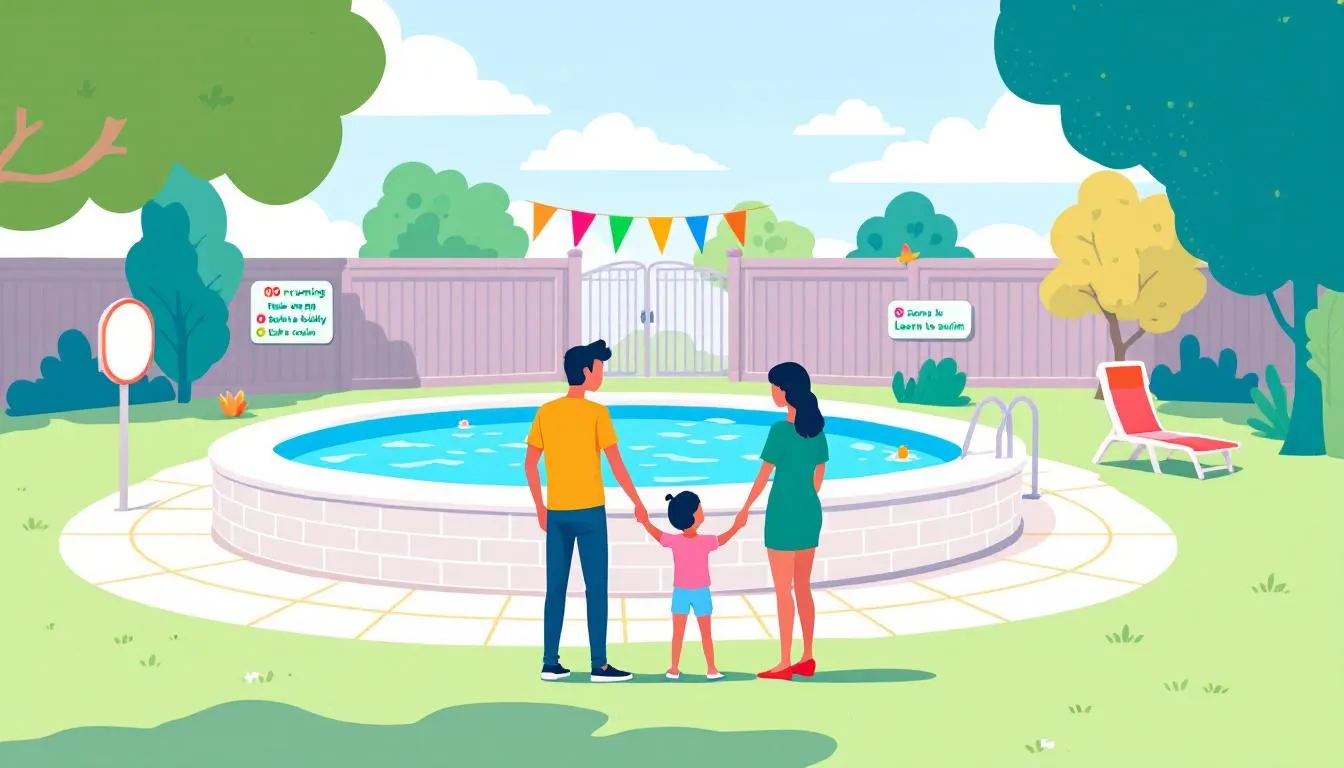 Supervision is a cornerstone of swimming pool safety. Even with the best safety measures, constant adult supervision is necessary for supervising children, ensuring adult supervision to prevent accidents and maintain a safe swimming environment.
Implementing strategies like the buddy system and the 'Arms Reach' rule can further enhance safety pool safety.
Constant Adult Supervision
Active adult supervision is crucial for preventing drowning incidents. Parents and caregivers should always stay close to the pool to provide quick assistance in case of an emergency. Keeping a portable phone nearby for emergency communication is also recommended.
In the unfortunate event that a child goes missing, parents should check the pool area first, as every second counts in a potential drowning situation. Additionally, CPR and first aid training are essential for pool supervisors to handle emergencies effectively.
Constant adult supervision significantly reduces the risk to prevent drowning, creating a safer swimming environment for children.
The Buddy System
The buddy system is an effective strategy that encourages swimmers to keep an eye on each other, enhancing safety during swimming. By pairing swimmers, accountability is increased, and they are more likely to adhere to safer practices and report any signs of distress.
The 'Arms Reach' Rule
The 'Arms Reach' rule involves keeping young children within an adult's immediate reach to minimize drowning risks. This simple yet effective strategy ensures that children are always under close supervision, further enhancing pool safety.
Teaching Water Safety Skills to Children
Teaching children water safety skills from an early age is crucial in reducing drowning risks and fostering responsible behaviors around water. Early swim lessons and interactive learning tools are effective ways to teach children these skills in young children.
Early Swim Lessons
Early swim lessons can reduce drowning risk by up to 88%. By age four, children typically acquire crucial survival skills like floating and treading water. Children aged one to four benefit most from early swimming lessons.
Swim lessons improve children's confidence and skills in water, making them safer swimmers. Starting lessons as early as age one helps develop vital water survival skills and comfort in water.
Interactive Learning Tools
Interactive learning tools, such as games and songs, make water safety education engaging and effective for children. These tools help children retain important safety messages and develop lifelong safety habits.
Emergency Preparedness for Pool Owners
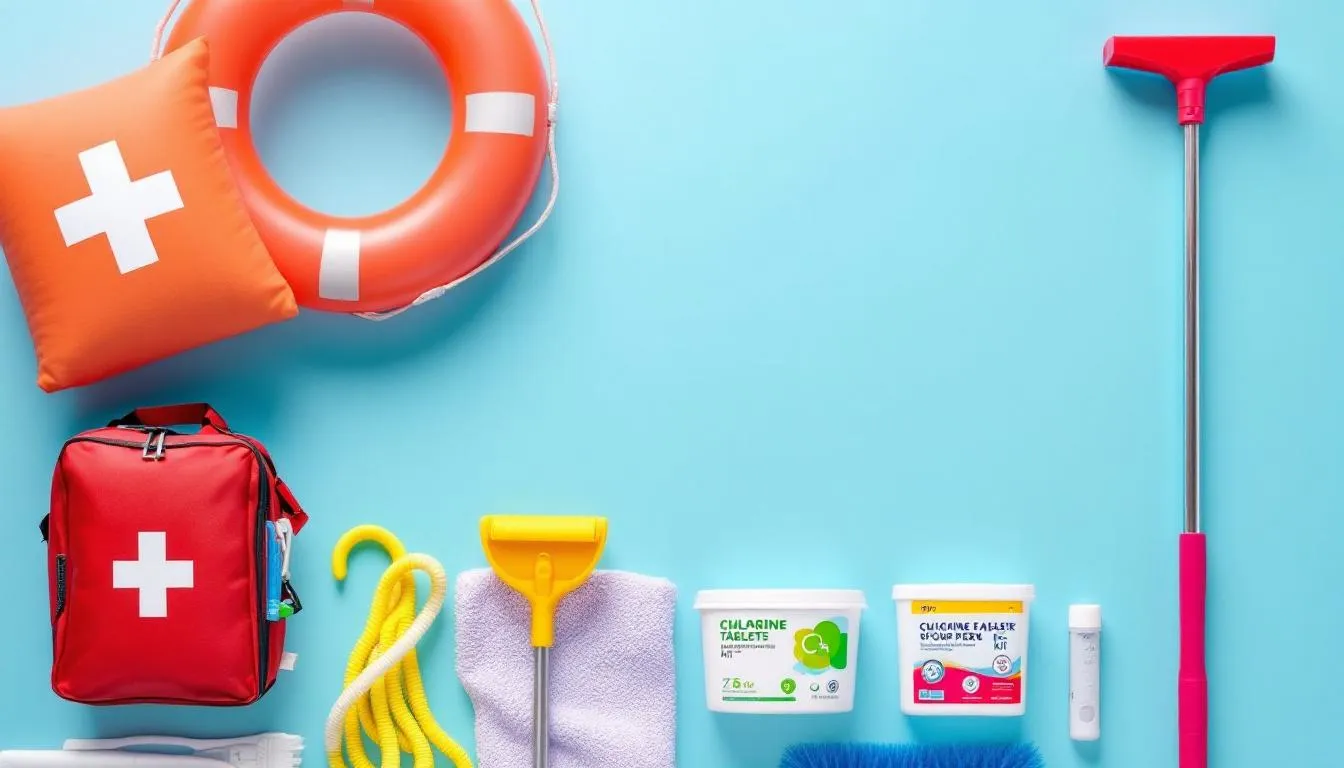 Preparation for emergencies is crucial for maintaining pool safety and ensuring the well-being of all users. Pool owners should have emergency equipment on hand and be trained in CPR and first aid to respond promptly to emergencies.
CPR and First Aid Training
CPR and first aid training provide pool owners with the skills to handle emergencies effectively. Regular recertification keeps individuals informed about current practices and ensures compliance with guidelines. Understanding life-saving basics is crucial for assisting in emergencies, making CPR certification essential.
Essential Emergency Equipment
Essential emergency equipment, such as life rings, rescue hooks, and first aid kits, should be readily available near the pool. These safety equipment items can facilitate a quick response in emergencies and are critical for ensuring pool safety.
Safe Pool Equipment and Toys
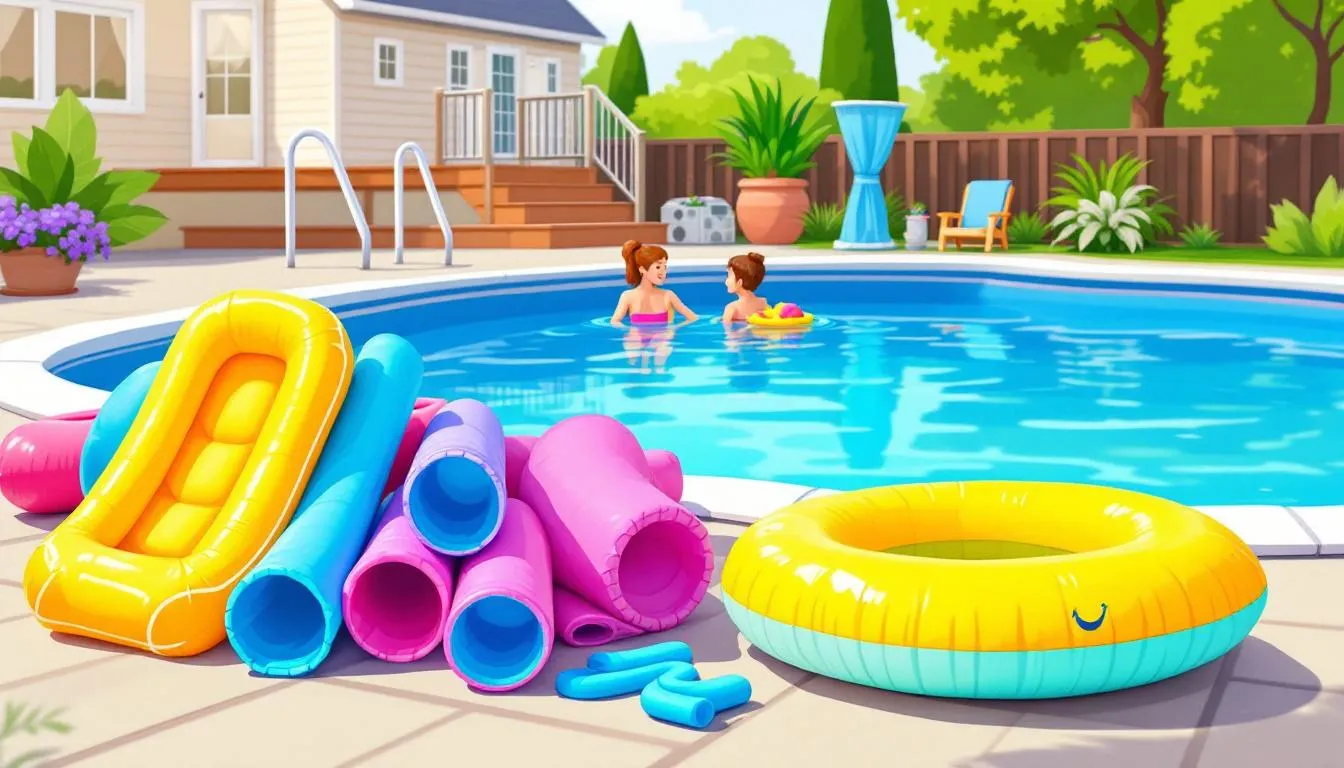 Ensuring pool equipment and toys comply with safety standards minimizes injury risks. Regular maintenance and inspection help prevent injuries and enhance overall ensure safety.
Slip-Resistant Decks
Slip-resistant decks reduce the chances of falls and injuries in residential swimming pools. Textured surfaces improve grip and help prevent slipping hazards, making them a crucial element in any pool area.
Approved Pool Toys
Select approved pool toys designed for water use to prevent accidents. Regular inspections ensure they are in good condition and free from defects, contributing to a safer swimming experience.
Creating and Enforcing Pool Rules
Establishing clear pool rules and enforcing them helps maintain a safe swimming environment. Prohibiting solo swimming and ensuring the safe use of diving boards and slides are key rules to enforce, especially for those learning basic swimming.
No Solo Swimming
Swimming alone increases the chances of accidents and drownings. Prohibiting solo swimming ensures someone is always available to assist in emergencies, significantly enhancing pool safety.
Safe Use of Diving Boards and Slides
Following guidelines for the safe use of diving boards and a diving board prevents injuries. Correct use in pools with adequate depth and avoiding risky behaviors significantly reduce the risk of accidents.
Regular Pool Maintenance
Regular maintenance is crucial for long-term pool safety and compliance with regulations. Proactive maintenance, along with weekly inspections and professional services, helps identify potential hazards early, ensuring the pool remains in optimal condition.
Weekly Inspections
Weekly inspections ensure all safety measures are consistently upheld. These checks should monitor water clarity, chemical balance, and the condition of pool equipment to maintain a safe swimming environment.
Professional Pool Services
Hiring professional pool services ensures the pool is maintained to the highest standards, enhancing safety compliance and prolonging the pool's life.
Choosing Reputable Pool Builders
Choosing reputable pool builders ensures quality construction and adherence to safety regulations, ensuring quality construction. Verifying credentials and evaluating past projects are critical steps in selecting the right builder.
Verifying Credentials and Licenses
A skilled pool builder should provide proof of licensing and insurance without hesitation. Verifying these credentials ensures quality and safe construction, protecting your investment.
Evaluating Past Projects
Evaluating a pool builder's past projects assesses their craftsmanship and reliability. Reviewing customer testimonials and examining previous work ensures the builder adheres to safety regulations and delivers quality construction.
Educating Children on Water Safety
Educating children on water safety awareness, preventing accidents, and fostering responsible behaviors around water. Using interactive learning tools and involving parents in the education process significantly enhances the effectiveness of water safety lessons.
Interactive Learning Tools for Kids
Interactive learning tools like games and songs make water safety education engaging and memorable for children. Tools like Longfellow the Whale videos effectively teach important safety messages in a fun way.
Parental Involvement
Parental involvement reinforces water safety practices learned in swim lessons. By participating in lessons and using guides for effective teaching methods, parents help their children develop strong water safety habits.
Summary
In conclusion, residential swimming pool safety is a multi-faceted responsibility that involves implementing physical barriers, ensuring constant supervision, teaching water safety skills, and being prepared for emergencies. Regular maintenance and choosing reputable pool builders are also key components in maintaining a safe swimming environment. By following these guidelines and fostering a culture of safety, pool owners can significantly reduce the risk of accidents and ensure that their pool remains a source of joy and relaxation.
Remember, safety is an ongoing process that requires vigilance, education, and a commitment to best practices. Let's make every swim a safe and enjoyable experience for everyone.
Frequently Asked Questions
What is the most important safety measure for residential swimming pools?
The most important safety measure for residential swimming pools is installing a pool fence, as it significantly reduces the risk of drowning incidents, especially among children. Ensuring proper barriers enhances safety and peace of mind for families.
How often should pool safety equipment be inspected?
Pool safety equipment should be inspected weekly to ensure it is effective and in good condition. Regular checks are essential for maintaining safety standards.
At what age should children start swim lessons?
Children can start swim lessons as early as age one, with essential survival skills typically learned by age four. It's beneficial to introduce them to water in a safe and supportive environment.
What types of pool alarms are available?
Pool alarms typically come in three types: surface wave alarms that detect disturbances on the water's surface, sub-surface alarms that monitor movement below the surface, and door alarms that notify when a pool gate is opened. Each type serves to enhance safety by alerting homeowners to unauthorized access.
Why is it important to choose a reputable pool builder?
It is essential to choose a reputable pool builder to guarantee quality construction and compliance with safety regulations, which protects your investment and minimizes the risk of fraud.