
Saltwater Chlorination for Residential Swimming Pools: Complete Guide for Homeowners
What is Saltwater Chlorination and How Does It Work?
Saltwater chlorination represents a modern approach to pool sanitization that fundamentally changes how chlorine is delivered to your pool water. Rather than adding chemical chlorine products manually, a salt chlorination system generates chlorine on-demand through an electrolytic process using ordinary sodium chloride.
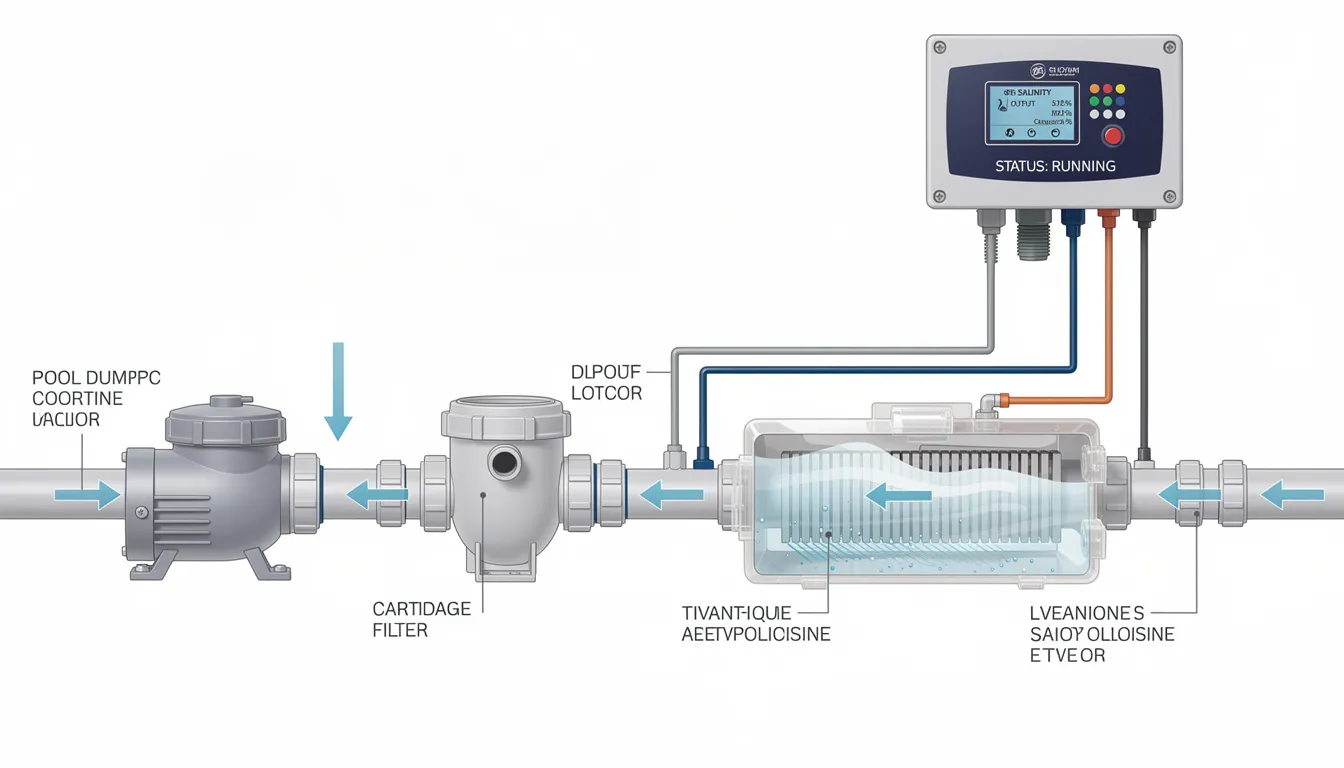 The heart of any salt system lies in the salt chlorinator, which consists of two main components: the salt cell and the control board. When saltwater passes through the salt cell, a low-voltage electrical current splits salt molecules into their component parts. This electrolysis process occurs as water flows over specially coated metal plates inside the chlorinator cell.
During electrolysis, chloride ions lose electrons and transform into chlorine gas, which immediately dissolves into the surrounding pool water to form hypochlorous acid - the same active sanitizing compound found in traditional chlorine pools. This hypochlorous acid destroys bacteria, viruses, and algae through oxidation, keeping your pool water safe and clean.
The salt concentration required for effective operation ranges from 3,000 to 4,000 parts per million (PPM), which is significantly lower than ocean water at 35,000 PPM. This moderate salinity creates a noticeable but comfortable salt taste - similar to a mild saline solution rather than seawater. Most swimmers find this level pleasant and less irritating than traditional chlorine pools.
What makes salt water systems particularly elegant is their self-regenerating cycle. After hypochlorous acid sanitizes the pool water and breaks down contaminants, the chlorine reverts back to salt, ready to be converted again by the salt chlorine generator. This means the salt essentially recycles continuously, requiring only occasional replenishment due to splash-out, backwashing, or heavy rainfall.
Key Benefits of Saltwater Chlorination for Home Pools
The advantages of saltwater chlorination extend far beyond simple convenience, offering pool owners significant improvements in swimming experience, maintenance requirements, and long-term costs.
Enhanced Swimming Comfort
One of the most immediate benefits pool owners notice is the dramatic reduction in skin and eye irritation compared to traditional chlorine pools. The consistent, controlled chlorine production eliminates the peaks and valleys of chemical levels that often cause discomfort. Additionally, saltwater systems virtually eliminate chloramines - the compounds responsible for that harsh chlorine smell and burning eyes common in over-chlorinated pools.
The softer water feel is another standout feature. Many swimmers compare the sensation to spa-quality water, with reduced dryness and irritation to skin and hair. This improvement is particularly beneficial for families with young children or individuals with sensitive skin conditions.
Operational Convenience
Salt water chlorinator systems provide consistent chlorine production without manual chemical addition, eliminating the weekly routine of testing and adding chemical chlorine. The system automatically adjusts output based on pool usage and environmental conditions, maintaining stable sanitation levels with minimal intervention.
Modern saltwater chlorine generators often include smartphone connectivity, allowing pool owners to monitor and adjust chlorine production remotely. This automation means you can maintain proper water chemistry even while traveling or during busy periods.
Economic and Environmental Advantages
While the initial investment is higher, saltwater pool systems deliver substantial long-term savings. Pool grade salt costs significantly less than traditional chlorine products, and because salt recycles through the system, replacement needs are minimal. Most homeowners report reducing their annual chemical costs by 50-75% after conversion.
The environmental benefits include reduced transportation and packaging waste from chemical deliveries, elimination of chlorine storage containers, and lower overall chemical usage. The on-demand chlorine production means no excess chemicals are added to pool water, reducing the environmental impact of backwash water and splash-out.
Installation and Pool Conversion Process
Converting an existing pool to saltwater chlorination or installing a system in a new pool is typically a straightforward process that most professional pool technicians can complete in a single day.
Required Equipment and Components
A complete salt chlorination system includes several key components that integrate with your existing pool equipment. The salt chlorine generator serves as the central unit, housing the salt cell where electrolysis occurs and the control panel that regulates operation. The system connects inline with your current circulation system, typically positioned after the filter and heater in the equipment lineup.
Most residential systems require a dedicated electrical connection, usually 220-volt service similar to pool heaters or heat pumps. The installation also includes flow sensors that detect when water is circulating, preventing the system from operating when pumps are off.
Step-by-Step Conversion Process
The conversion from traditional chlorine to a salt water system follows a systematic approach that professional installers can typically complete in 2-4 hours. First, technicians assess your existing pool equipment for compatibility and determine the optimal location for the saltwater chlorinator installation.
Next comes the plumbing modifications, which usually involve cutting into the return line to install the salt cell. Most installations require minimal pipe work, as the system integrates with existing circulation equipment. The electrical connection follows, requiring a qualified electrician if new circuits are needed.
After physical installation, the system requires initial salt addition. For an average 20,000-gallon pool, this typically means adding 200-400 pounds of pool grade salt directly to the pool water. The salt dissolves within 24-48 hours with normal circulation, though swimming can usually resume after just a few hours.
Professional vs DIY Installation Considerations
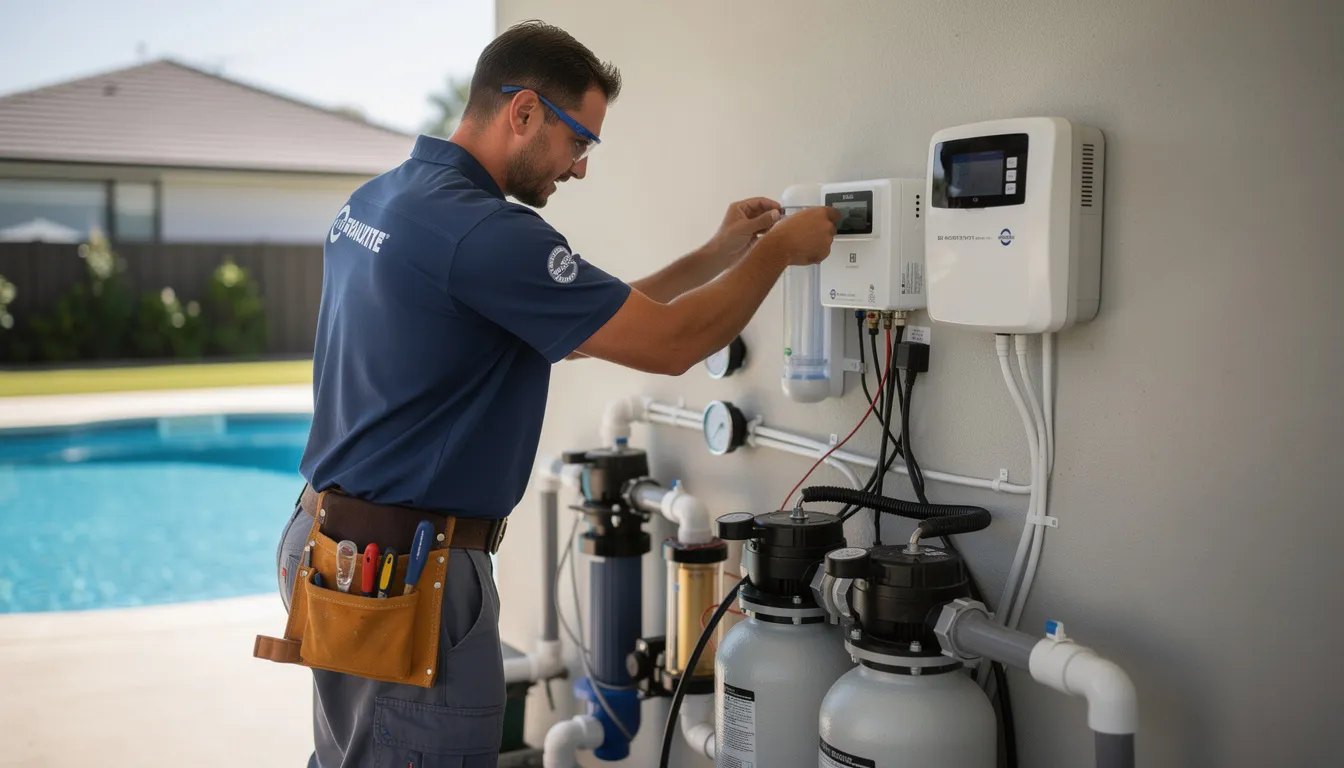
While some experienced pool owners attempt DIY installation, professional installation offers significant advantages. Certified technicians ensure proper electrical connections, optimize system placement for maximum efficiency, and provide warranty coverage that DIY installations often void. Professional installers also handle permits and inspections required in many jurisdictions.
The complexity of integrating the salt water system with existing automation, heaters, and other pool equipment often requires specialized knowledge. Professional installation typically includes system commissioning, where technicians verify proper operation and train homeowners on system operation and maintenance.
Maintenance Requirements and Best Practices
Successful saltwater pool ownership requires understanding the unique maintenance needs of salt chlorination systems, which differ from traditional chlorine pools in several important ways.
Regular Testing and Salt Level Management
Monthly salt level testing forms the foundation of proper saltwater system maintenance. Most systems require salt concentrations between 3,000-4,000 PPM for optimal performance. Test strips designed specifically for salt pools provide quick, accurate readings, though digital salt meters offer greater precision for serious pool enthusiasts.
When salt levels drop below the recommended range, adding pool grade salt is straightforward. Calculate the required amount based on your pool volume and current salt reading, then distribute the salt evenly around the pool perimeter. Avoid adding salt directly over the main drain, as concentrated salt can damage pool surfaces before dissolution.
Salt Cell Maintenance and Cleaning
The salt cell requires regular inspection and cleaning to maintain peak performance. Calcium buildup on the cell plates is normal and expected, but excessive scaling reduces efficiency and can damage the cell permanently. Most cells require cleaning every 3-6 months, depending on water chemistry and usage patterns.
Cleaning involves removing the cell from the system and soaking it in a mild muriatic acid solution to dissolve calcium deposits. Always follow manufacturer guidelines for acid concentration and soaking time, as excessive exposure can damage the cell's metallic coating. Some newer systems include self-cleaning capabilities that reverse polarity periodically, reducing manual cleaning frequency.
Water Chemistry Balance
pH and alkalinity monitoring becomes even more critical in saltwater pools because the electrolysis process naturally raises pH levels. Most salt water systems require pH adjustments 1-2 times per week to maintain the optimal range of 7.2-7.6. Alkalinity should remain between 80-120 PPM to buffer pH fluctuations.
The chlorine production process can also affect calcium hardness and cyanuric acid levels over time. Monthly testing of complete water chemistry ensures balanced water that protects both swimmers and pool equipment.
Troubleshooting Common Issues
Low chlorine production often indicates salt levels below the operating threshold, dirty cell plates, or pH levels outside the optimal range. Start troubleshooting by verifying salt concentration and cleaning the cell if necessary. High pH levels can significantly reduce chlorine effectiveness, even when production appears normal.
Error codes displayed on the control panel typically indicate specific issues like low flow, dirty cells, or electrical problems. Most modern systems provide clear diagnostic information, making troubleshooting straightforward for homeowners or service technicians.
High salt levels, though less common, require dilution with fresh water to restore proper concentration. This usually occurs when homeowners add too much salt during seasonal opening or after heavy chemical treatments.
Calcium scaling on the salt cell appears as white, chalky buildup on the metal plates. Regular cleaning prevents excessive scaling, but stubborn deposits may require longer acid soaks or professional cell replacement if damage occurs.
Cost Analysis: Initial Investment vs Long-term Savings
Understanding the true cost of saltwater chlorination requires analyzing both upfront investment and ongoing operational expenses over the system's lifespan.
Initial System Costs
Residential salt chlorine generator systems typically range from $1,500 to $3,500 for complete installation, depending on pool size, equipment quality, and local labor rates. Entry-level systems suitable for smaller above ground pools start around $800, while premium units with advanced automation and self-cleaning features can exceed $4,000.
Professional installation adds $500-$1,000 to the total cost, though this investment ensures proper setup and warranty coverage. DIY installations save labor costs but may void equipment warranties and create future service issues if installed incorrectly.
Ongoing Operational Expenses
Salt cell replacement represents the largest ongoing expense, typically required every 5-7 years at a cost of $300-$800 depending on system type. High-quality cells with titanium construction last longer but command higher replacement costs.
Annual salt costs remain minimal, usually under $50 for most residential pools. Pool grade salt costs approximately $5-$10 per 40-pound bag, and most pools require only 1-2 bags annually to replace losses from splash-out and backwashing.
Electricity consumption increases by approximately 500-800 watts during operation, adding $200-$400 annually to electric bills depending on local utility rates and operating hours. However, this cost is partially offset by reduced pool heating needs, as the softer water feels warmer at lower temperatures.
Cost Comparison with Traditional Chlorine Systems
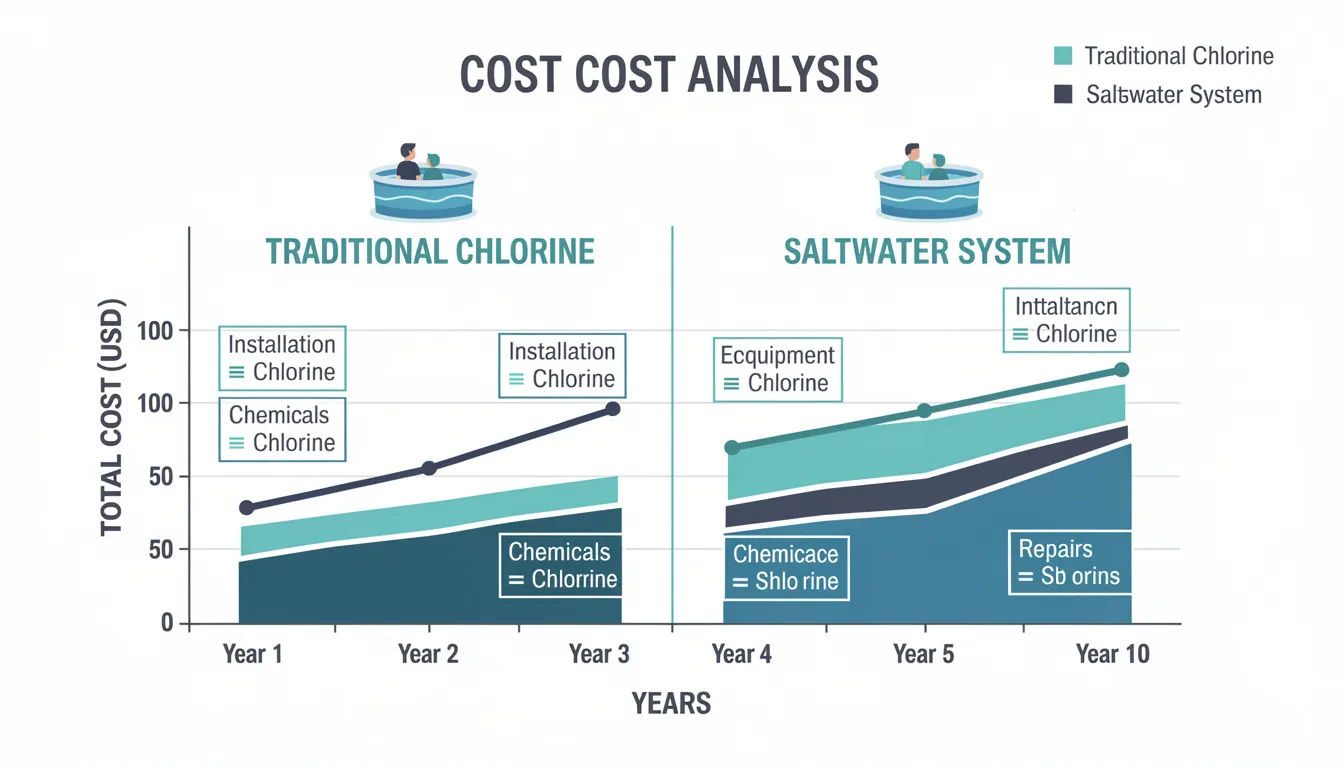
Traditional chlorine pools typically cost $300-$600 annually for chemical products, including chlorine, shock treatments, algaecides, and pH adjusters. Saltwater systems reduce these costs to $100-$200 annually, primarily for pH adjustment chemicals and occasional salt replacement.
Over a typical 10-year period, the total cost savings often exceed $2,000-$4,000, effectively paying for the initial system investment while providing superior water quality and reduced maintenance time. The huge savings become even more significant when factoring in reduced service calls and equipment wear from harsh chemicals.
Choosing the Right Saltwater System for Your Pool
Selecting the appropriate salt water chlorinator requires careful consideration of pool size, existing equipment, desired features, and budget constraints.
System Sizing Based on Pool Volume
Proper sizing ensures adequate chlorine production for your specific pool requirements. Systems are rated by maximum pool capacity, typically ranging from 15,000 gallons for smaller above ground pools to 40,000+ gallon capacity for large residential swimming pools. Undersized systems struggle to maintain adequate sanitation during peak usage, while oversized units waste energy and may over-chlorinate.
Consider factors beyond simple volume when sizing your system. Pools with heavy bather loads, extensive landscaping, or frequent rain may require larger capacity systems to maintain proper sanitation. Southern climates with longer swimming seasons also benefit from higher-capacity units.
Top Residential Brands and Models
Hayward AquaRite systems dominate the residential market with proven reliability and extensive service network support. The AquaRite Pro includes useful features like digital displays, diagnostic alerts, and smartphone connectivity for remote monitoring and control.
Pentair IntelliChlor systems offer excellent integration with existing Pentair automation systems and feature self-cleaning technology that reduces maintenance requirements. The IntelliChlor series provides multiple size options and easy-to-read diagnostic displays.
CircuPool systems focus on premium construction with titanium cells and advanced electronics. Their EDGE series includes sophisticated water chemistry monitoring and automated adjustment capabilities that minimize manual intervention.
Essential Features to Consider
Self-cleaning cells reverse polarity periodically to prevent calcium buildup, reducing manual cleaning frequency and extending cell life. This feature particularly benefits pools in hard water areas where scaling occurs rapidly.
Flow sensors prevent system operation when circulation pumps are off, protecting the salt cell from damage and ensuring proper chlorine distribution. Digital displays provide real-time information about system status, salt levels, and production output.
Smartphone connectivity allows remote monitoring and control, enabling pool owners to adjust chlorine production based on usage patterns or weather conditions. Some systems integrate with comprehensive pool automation platforms for centralized control of all pool equipment.
Compatibility Considerations
Most salt water systems integrate seamlessly with existing pool equipment, though some considerations apply. Variable speed pumps require systems with low flow rate capabilities, as these pumps often operate at reduced speeds for energy efficiency.
Existing heaters and automation systems may require compatibility verification, particularly with older equipment. Some pool automation systems offer enhanced integration with specific saltwater chlorinator brands, providing unified control and monitoring capabilities.
Health and Safety Considerations
Saltwater chlorination offers several health and safety advantages over traditional chlorine systems, though some considerations apply to ensure optimal results.
Reduced Chemical Exposure Benefits
The elimination of manual chlorine handling removes exposure risks associated with concentrated chemicals. Traditional chlorine products can cause respiratory irritation, skin burns, and eye damage during storage and application. Salt systems eliminate these risks while maintaining effective sanitization.
The consistent chlorine levels produced by salt water systems reduce the formation of chloramines - compounds that cause eye irritation, skin problems, and respiratory issues. This benefit is particularly valuable for individuals with asthma or chemical sensitivities.
Benefits for Sensitive Individuals
Pool owners with skin conditions like eczema or dermatitis often experience significant improvement when switching to saltwater chlorination. The softer water and stable chemistry reduce skin dryness and irritation common with traditional chlorine pools.
Children benefit from reduced chemical exposure and more comfortable swimming conditions. The absence of harsh chlorine odors and reduced eye irritation make pool time more enjoyable for young swimmers.
Pregnant women can swim with greater confidence in properly maintained saltwater pools due to reduced chemical exposure and more stable water chemistry. However, consulting with healthcare providers remains advisable for any concerns during pregnancy.
Safety Features and Precautions
Modern salt chlorination systems include multiple safety features to prevent accidents and ensure proper operation. Low-voltage operation reduces electrical hazards, while flow sensors prevent system operation when pumps are off.
Salt storage requires minimal safety precautions compared to traditional pool chemicals. Pool grade salt is non-toxic and poses no inhalation or contact risks during handling. Standard storage in a dry location prevents clumping and maintains product quality.
However, the electrolytic process produces small amounts of hydrogen gas, which dissipates harmlessly into the atmosphere. Ensure adequate ventilation around equipment areas and avoid enclosed spaces where gas might accumulate.
Impact on Pool Equipment and Surfaces
Understanding how saltwater chlorination affects different pool components helps prevent problems and extend equipment life.
Corrosion Effects and Prevention
The increased salinity in salt water pools can accelerate corrosion of metal components, particularly steel fixtures, handrails, and light housings. However, proper water chemistry maintenance and protective measures minimize these effects significantly.
Maintaining proper pH levels between 7.2-7.6 reduces the corrosive potential of saltwater. Higher pH levels increase corrosion rates, while balanced chemistry protects metal components effectively. Regular testing and adjustment prevent most corrosion issues.
Sacrificial anodes provide additional protection for metal pool equipment. These zinc or magnesium devices attract corrosion away from valuable equipment components, requiring replacement every 1-2 years but preventing expensive damage to heaters, lights, and fixtures.
Pool Surface Compatibility
Plaster pools generally adapt well to saltwater chlorination, though some surface types require special consideration. White plaster may develop slight discoloration over time, though this is primarily cosmetic and doesn't affect pool functionality.
Vinyl liner pools work excellent with salt systems, as the stable chemistry reduces liner degradation compared to traditional chlorine pools. The consistent sanitization levels prevent the chemical spikes that often damage vinyl materials.
Fiberglass pools are ideal for saltwater chlorination due to their non-porous surface and resistance to chemical damage. The smooth finish doesn't harbor bacteria or algae, working synergistically with salt system sanitization.
Equipment Longevity Considerations
Pool heaters require special attention in saltwater applications. Copper heat exchangers are particularly susceptible to corrosion, though proper water chemistry maintenance prevents most issues. Some manufacturers recommend specific heater models designed for saltwater use.
Pump and filter equipment generally experiences improved longevity due to the stable chemistry and reduced chemical exposure. However, metal components within these systems may require more frequent inspection and replacement.
Regular inspection schedules help identify potential issues before they become expensive problems. Monthly visual checks of metal fixtures, quarterly electrical connection inspections, and annual professional equipment reviews maintain system reliability.
Frequently Asked Questions
Can any pool be converted to saltwater chlorination?
Most residential swimming pools can accommodate saltwater chlorination systems with minimal modifications. The key requirements include adequate electrical service (typically 220-volt) and sufficient space in the equipment area for the salt chlorine generator installation.
Above ground pools, in-ground pools, and even most existing pools with older equipment can be converted successfully. The main consideration involves ensuring your circulation system provides adequate flow rates for proper salt cell operation.
Pools with specialty finishes or vintage equipment may require professional evaluation to determine compatibility and identify any necessary upgrades before conversion.
How long does salt last in the pool system?
Salt in a properly maintained saltwater pool system lasts indefinitely because it's not consumed during the chlorine production process. The electrolysis reaction converts salt to chlorine temporarily, but the chlorine eventually reverts back to salt, creating a continuous cycle.
Salt replacement is only necessary to compensate for losses due to splash-out, backwashing, heavy rainfall, or accidental over-dilution. Most pools require 1-2 bags of salt annually to maintain proper levels.
During seasonal closing and opening, salt levels may require adjustment due to winter cover pumping or spring dilution from snow and rain runoff.
What happens during power outages or equipment failure?
During power outages, salt chlorination systems stop producing chlorine, but existing chlorine in the pool water continues providing sanitation for several days. Pool water typically maintains safe chlorine levels for 2-4 days without system operation, depending on bather load and environmental conditions.
Equipment failures trigger diagnostic alerts on most modern systems, identifying specific issues and recommended solutions. Common problems like dirty cells or low salt levels are easily resolved by homeowners, while electrical issues may require professional service.
Backup chlorination methods, such as liquid chlorine or shock treatments, can maintain water quality during extended equipment downtime until repairs are completed.
Are saltwater pools safe for pets and wildlife?
Saltwater pools at proper salinity levels are generally safe for pets, though the salt content makes the water unsuitable for regular drinking. The mild salt concentration is similar to sports drinks and poses no immediate health risks for occasional pet exposure.
Wildlife interactions vary by species and local conditions. The salt concentration may deter some insects but doesn't significantly impact most wildlife compared to traditional chlorine pools.
Pet owners should provide fresh drinking water near pool areas to prevent pets from drinking pool water regularly, which could lead to digestive upset due to salt content.
How does cold weather affect saltwater chlorination systems?
Cold weather significantly reduces chlorine production efficiency in salt water systems. Most salt cells produce minimal chlorine when water temperatures drop below 60°F, as the electrolysis process slows considerably in cool water.
Many pool owners in moderate climates reduce system operation during winter months, relying on residual chlorine and occasional manual chlorination for minimal maintenance. Pools that operate year-round may require supplemental chlorination during cold periods.
Winterization procedures for saltwater systems include removing and storing salt cells indoors to prevent freeze damage. The cell contains metallic components that can crack if water freezes inside the unit.
Can you swim immediately after adding salt to the pool?
Swimming is generally safe within a few hours of adding salt to pool water, though complete dissolution requires 24-48 hours with normal circulation. Undissolved salt crystals on the pool bottom are harmless but may cause minor foot discomfort until they dissolve completely.
For optimal comfort, wait until salt fully dissolves and the system begins normal chlorine production. This typically occurs within 4-6 hours in most residential pools with adequate circulation.
Test salt levels 24 hours after addition to verify proper concentration before adjusting system output settings. This ensures accurate readings and prevents over-production during initial startup.
Saltwater chlorination for residential swimming pools represents a significant advancement in pool technology, offering homeowners reduced maintenance, improved swimming comfort, and long-term cost savings. While the initial investment exceeds traditional chlorination systems, the benefits of consistent water quality, reduced chemical handling, and enhanced swimming experience justify the conversion for most pool owners.
The key to success lies in proper system selection, professional installation, and understanding the unique maintenance requirements. With appropriate care and attention, a quality salt water chlorinator system will provide years of trouble-free operation and enjoyable swimming experiences.
Whether converting an existing system or planning a new pool installation, saltwater chlorination offers a compelling combination of convenience, economy, and performance that explains its growing popularity among discerning pool owners seeking the highest quality swimming experience.