
Residential Swimming Pool Water Sanitation with Ozone and Germicidal UV
Why Combine Ozone and Germicidal UV for Residential Pools?
Modern residential pools built or renovated after 2015 can cut chlorine use by 50–90% by pairing ozone and UV-C, while keeping water clearer and safer than with chlorine alone. This isn't experimental technology—it's the same approach that's been protecting commercial water parks and municipal swimming facilities for years.
In simple terms, ozone (O₃) and germicidal UV-C (around 254 nm wavelength) work together to destroy bacteria, viruses, algae, and organic contaminants that chlorine struggles with. Ozone acts as a powerful oxidizer, breaking down body oils, lotions, and other organic matter. UV light damages the DNA of microorganisms, preventing them from reproducing and causing illness.
The immediate benefits for pool owners are substantial:
Softer-feeling water without that harsh chemical edge
Almost no "chlorine smell" around your pool area
Reduced red eyes and dry skin after swimming
Better air quality for indoor pool rooms
Fewer algae blooms and cloudy water incidents
This approach is now affordable and practical for residential pools between 10,000–40,000 gallons. However, it's important to understand that ozone and UV function as supplemental sanitizers, not complete replacements for chlorine. Most local codes and industry best practices still require a low residual of free chlorine (typically 0.5–1.0 ppm) to protect the bulk pool water between pump cycles.
Understanding the Sanitizers: Chlorine, Ozone, and Germicidal UV
Think of pool sanitation as a team effort. In traditional chlorine pools, one chemical handles all the work—killing pathogens, oxidizing bather waste, and maintaining a residual. In advanced systems, ozone and UV take on the heavy lifting as primary sanitizers while chlorine serves as a small backup presence in the water.
Chlorine's Role and Limitations
Chlorine has dominated pool water chemistry for over a century, and for good reason. It's effective, affordable, and provides a measurable residual that protects water between circulation cycles.
But chlorine has significant drawbacks:
Chlorine IssueImpact on Pool ExperienceChloramine formationStrong "pool smell," eye and respiratory irritationTrihalomethanes (THMs)Potential long-term health concernsHaloacetic acids (HAAs)Additional harmful disinfection by-productsHigh concentrations neededMore skin dryness, hair damage, swimsuit fadingThese disinfection by-products form when chlorine reacts with organic nitrogen compounds from sweat, urine, and body oils. The characteristic "chlorine smell" most people associate with pools isn't actually from chlorine—it's from chloramines, which indicate inadequate oxidation of bather waste.
Ozone: The Powerful Oxidizer
Ozone is a triatomic form of oxygen (three oxygen atoms bonded together) that acts as a powerful oxidizer in pool water treatment. With an oxidation potential of 2.07 volts compared to chlorine's 1.36 volts, ozone reacts much faster with organic contaminants.
When ozone molecules encounter bather waste—lotions, cosmetics, body oils, sweat—they break these compounds down more completely than chlorine can. This pre-treatment means far fewer precursors remain to form chloramines and other harmful disinfection by-products when they eventually contact the residual chlorine.
Ozone also provides disinfection benefits, particularly against protozoa like Cryptosporidium and Giardia that are notoriously resistant to chlorine at typical pool concentrations.
Germicidal UV Light: DNA Destruction
Germicidal UV light operates on an entirely different principle. Rather than adding chemicals to the water, UV-C at around 254 nm damages the genetic material of microorganisms as water flows past the lamp.
When bacteria, viruses, or parasites absorb UV energy at this wavelength, their DNA and RNA undergo damage that prevents replication. The organisms may still physically exist, but they can no longer reproduce or cause infection.
UV adds no chemicals to the water and produces no residual, which means it works only on water passing through the UV chamber. This is why combining UV with ozone and a small chlorine residual creates comprehensive protection—UV handles pathogens in the circulation loop while ozone oxidizes contaminants and chlorine protects the bulk water.
How Ozone Systems Work in Residential Swimming Pools
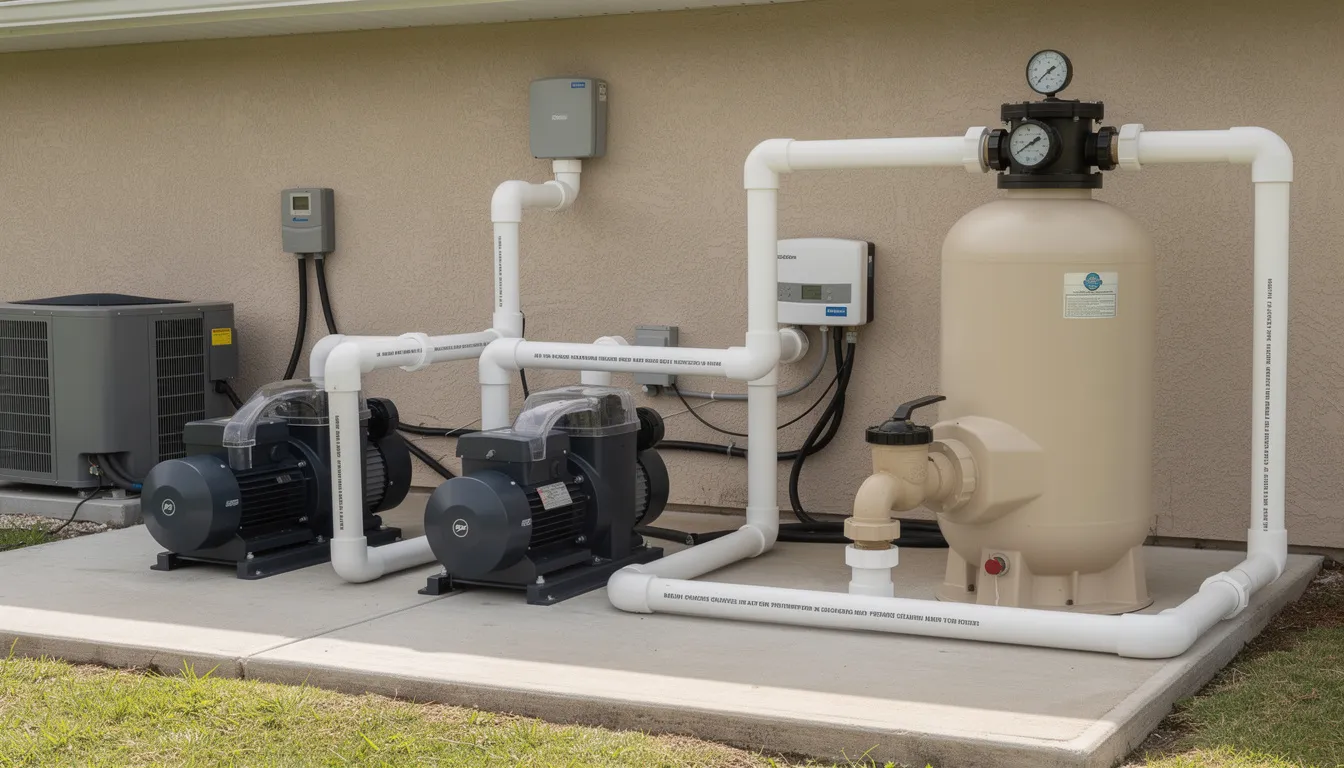
Most residential ozone systems install on the return line after the filter and heater, treating water just before it re-enters the pool. This placement ensures the water is already filtered and at temperature before receiving ozone treatment.
Ozone Generation Methods
For residential pools in 2025, corona discharge (CD) cells represent the standard technology for ozone generation. These units pass dry air or oxygen through a high-voltage electrical field, breaking O₂ molecules apart so they can recombine into O₃ (ozone).
Corona discharge ozonators are more efficient than older UV-based ozone generators and perform better in hot, humid climates common in pool equipment rooms. Typical residential units produce around 50–300 mg/hr of ozone, with sizing based on pool volume and expected bather load.
Venturi Injection and Contact
The ozone generator feeds ozone-enriched air into a venturi fitting installed in the return plumbing. As water flows through the venturi's narrow throat, it creates negative pressure that pulls ozone gas into the water stream and dissolves it as fine bubbles.
Key components in a residential ozone system include:
Venturi injector: Creates suction to draw ozone into water flow
Contact chamber: Provides reaction time for ozone to work
Degas vessel: Strips undissolved ozone gas before water returns to pool
Check valves: Prevent backflow into sensitive equipment
Ozone has a very short half-life in pool water—typically seconds to minutes depending on temperature and organic load. This means ozone gas reacts quickly in the plumbing and leaves virtually no residual or odor in the swimming area. All the oxidation work happens before water exits the return jets.
Key Advantages of Ozone in a Home Pool
Installing an ozone generator in your residential pool delivers several practical benefits:
Faster oxidation of bather waste: Ozone breaks down organic contaminants before they can form chloramines, leading to clearer water and better water clarity
Reduced chlorine consumption: Most pool owners see 50–70% less chlorine needed per season
Fewer shock treatments: With continuous oxidation during pump cycles, heavy chemical shocking becomes less necessary
Longer filter cycles: Cleaner water means filters don't clog as quickly
Reduced staining and scale: Ozone breaks down organic-metal complexes that cause discoloration
Many homeowners notice that ozone-treated water feels "silkier" within a week of system start-up. This isn't imagination—it's the result of lower combined chlorine levels and more thorough oxidation of dissolved organics.
How Germicidal UV-C Systems Protect Your Pool Water
Germicidal UV-C has been a staple of drinking water treatment plants for decades. Now scaled to compact residential pool units, UV sanitizers provide an additional layer of pathogen protection that chlorine alone cannot match.
How UV Disinfection Works
Most residential UV pool systems use low-pressure or amalgam lamps emitting UV light at approximately 254 nm—the peak germicidal wavelength for inactivating microbes. Water flows through a stainless-steel or polymer housing containing a quartz-sleeved UV lamp.
As pool water passes by the lamp, UV energy penetrates microorganisms and disrupts their genetic material. The process happens in fractions of a second:
Water enters the UV chamber from the circulation line
UV-C light at 254 nm contacts all water in the flow path
Microbial DNA/RNA absorbs the UV energy
Nucleotide bonds break, preventing reproduction
Inactivated organisms exit with the treated water
UV is particularly effective against chlorine-resistant pathogens like Cryptosporidium and Giardia that have caused outbreaks in public pools. While chlorine can eventually kill these parasites, it requires concentrations and contact times impractical for recreational swimming.
Features of Modern Residential UV Pool Units
Current UV pool sanitizers (post-2020 models) include several features that make operation and maintenance straightforward:
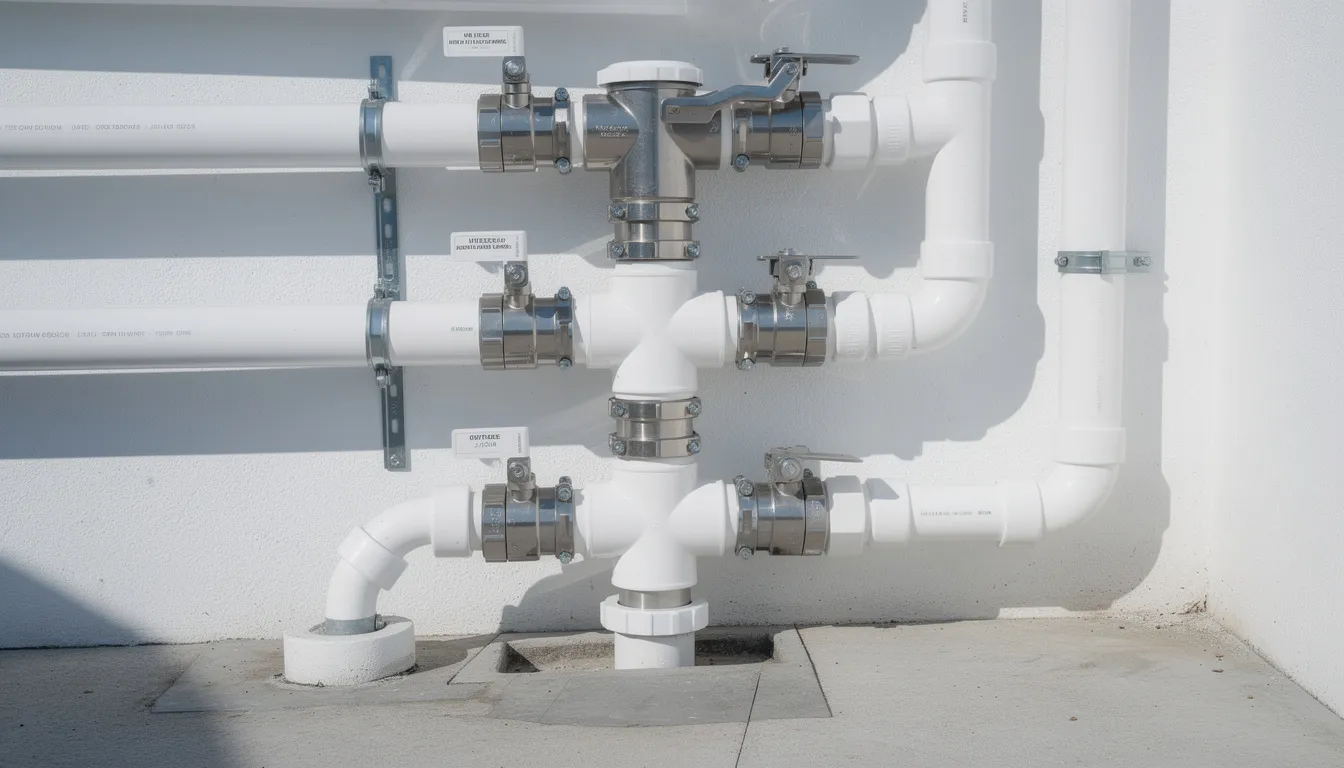
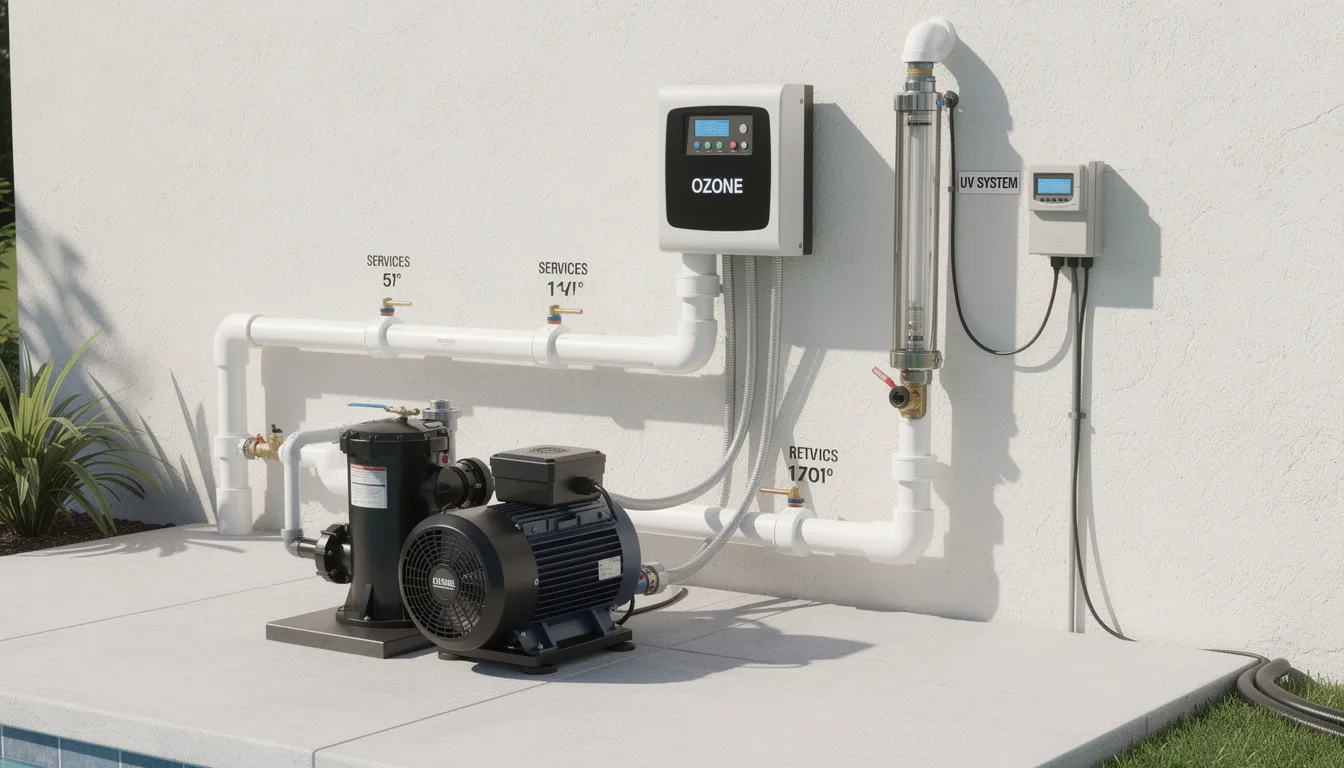
FeatureBenefitElectronic ballasts with lamp life countersKnow exactly when replacement is neededWarning indicators for lamp or ballast failureImmediate notification of problemsFlow sensors or pressure switchesUV only operates when water is movingEasy-access quartz sleevesSimple cleaning once or twice per seasonCompact cylinder designMinimal footprint on equipment padMost units connect to standard 2" PVC plumbing with union fittings, making installation and future service straightforward. The physical appearance is typically a stainless or gray cylinder mounted horizontally or vertically near other pool equipment.
Ozone + UV as an Advanced Oxidation Process (AOP)
When ozone and UV-C combine in series, they create something more powerful than either technology alone. This combination generates an advanced oxidation process (AOP) that produces highly reactive hydroxyl radicals.
Understanding Hydroxyl Radicals
Hydroxyl radicals (•OH) are the most powerful oxidizers used in recreational water treatment. With an oxidation potential of approximately 2.8 volts—higher than both ozone and chlorine—these radicals react almost instantaneously with organic molecules.
In a typical residential AOP system:
Water first receives ozone injection
Ozone-enriched water then passes through the UV reactor
UV energy breaks down ozone molecules
This reaction generates hydroxyl radicals in the presence of water
Radicals attack complex organics like sunscreens, cosmetics, and body oils
The hydroxyl radicals are extremely short-lived (microseconds), so all reactions occur inside the reactor and contact zone. They don't travel into the pool water or form a measurable residual.
Why AOP Outperforms Stand-Alone Systems
Combining ozone and UV delivers the best overall improvement in water quality compared to either technology alone:
Superior oxidation: Hydroxyl radicals break down complex organics that survive ozone or chlorine treatment
Enhanced disinfection: UV inactivates pathogens that may pass through the ozone contact zone
Maximum chloramine reduction: AOP pre-treats bather waste before it can react with chlorine
Best clarity results: Fewer dissolved organics means less cloudiness and better light transmission
Several manufacturers now offer integrated AOP units specifically sized for 10,000–35,000 gallon backyard pools. These combined systems simplify design for builders and homeowners by packaging both ozone and UV into a single cabinet with shared controls and monitoring.
Performance Compared to Other "Alternative" Sanitizers
How does ozone and UV/AOP stack up against other pool sanitation approaches?
System TypePathogen ControlOxidation PowerChlorine ReductionMaintenance EffortChlorine onlyModerateModerateNoneModerateSaltwater generatorModerateModerateNone (generates chlorine)LowBiguanide/peroxideModerateLowHighHighMineral cartridgesLowLowPartialLowOzone onlyHighVery high50–70%ModerateUV onlyVery highNone30–50%LowOzone + UV (AOP)Very highVery high50–90%ModerateThe key difference with AOP systems is that they target pathogens and organics directly rather than simply adding more sanitizer to mask contaminants. This results in fewer algae blooms, reduced need for algaecides, and fewer cloudy-water incidents after heavy bather loads or hot weather.
Combining AOP with 0.5–1.0 ppm free chlorine generally outperforms salt-only or biguanide systems in both overall water quality and swimmer comfort.
Designing and Sizing a Residential Ozone + UV System
Proper sizing ensures your ozone and UV equipment can handle your pool's treatment demands. Several factors influence the right system size for your home pool.
Key Sizing Factors
When selecting equipment, consider:
Pool volume: Measured in gallons, this is your starting point
Expected bather load: Pools used for frequent parties need more capacity
Climate factors: Sun exposure, temperature, and rainfall affect contamination rates
Pump run time: Systems work only when water circulates
Typical residential sizing breaks down as follows:
Pool SizeVolume RangeRecommended ApproachSmall pools10,000–20,000 gallonsEntry-level combined unitsMedium pools20,000–30,000 gallonsMid-range AOP systemsLarge family pools30,000–40,000 gallonsHigher-output units, possibly multiple componentsPairing ozone and UV systems with variable-speed pumps programmed for at least 8–12 hours of circulation per day during warm months ensures optimal water sanitation. In peak summer, extending to 12–16 hours may be appropriate for heavily used pools.
Flow Rate Considerations
Flow rate through ozone and UV units must stay within specified ranges to ensure adequate contact time and UV dose. This is critical for effective sanitation.
If your pump can push 80 GPM but your UV unit is rated for 30 GPM maximum, you need either a smaller pump impeller, flow restriction, or a larger UV system. Oversizing pumps without adjusting plumbing can actually reduce effectiveness by pushing water through too quickly.
Consult a qualified pool builder or service professional to integrate these devices with your existing filters, heaters, and automation systems.
Placement in the Plumbing Loop
The sequence of equipment on your pool pad matters significantly for system performance and equipment longevity. A typical layout follows this order:
Pump → Filter → Heater → Ozone Injection/Contact/Degas → UV Reactor → Return to Pool
This arrangement:
Places ozone and UV after the heater to protect heat exchangers from oxidation
Ensures filtered water enters the treatment zone (particles can shield microbes from UV)
Sends fully treated water directly back to the pool
Important considerations for installation:
Install check valves to prevent ozone backflow into heaters or metal components
If using a saltwater chlorine generator, place it after ozone and UV to avoid UV degrading the chlorine produced
Maintain straight pipe runs around equipment as specified by manufacturers
Ensure proper bonding and grounding per electrical codes
Operation, Maintenance, and Safety Considerations
Once installed correctly, ozone and UV systems require less ongoing attention than managing high-chemical pools. However, scheduled service keeps equipment running at peak performance and extends its useful life.
Routine Ozone Maintenance
Ozone system upkeep is straightforward but shouldn't be neglected:
TaskFrequencyWhat to DoCheck ozone indicatorsMonthlyVerify output lights/sensors show normal operationInspect injection fittingsQuarterlyLook for leaks, clogs, or corrosionCheck tubing and linesQuarterlyReplace cracked or brittle ozone-resistant tubingReplace CD cell/cartridgePer manufacturer (often 3–5 years)Install new ozone generator component
Routine UV Maintenance
UV systems are similarly low-maintenance:
TaskFrequencyWhat to DoClean quartz sleeve1–2 times per seasonRemove scale or biofilm buildupVerify indicator lightsMonthlyConfirm UV lamp is operatingReplace UV lampAnnually or per hour ratingInstall new lamp when output dropsInspect electrical connectionsAnnuallyCheck ballast and wiringMost quality UV lamps last 9,000–16,000 hours before output falls below design levels. Depending on pump run time, this translates to 2–4 swimming seasons between replacements.
Safety Measures
Both ozone and UV systems include built-in safety features:
UV lamps are enclosed in opaque housings that block light from escaping
Ozone gas is contained within piping and contact vessels during normal operation
Flow interlocks prevent operation without water circulation
Homeowners should never bypass safety interlocks or operate units with housings removed. Ozone gas is toxic at low concentrations, and UV-C can damage eyes and skin with direct exposure.
Despite advanced treatment, you must still test free chlorine, pH, alkalinity, and cyanuric acid weekly. Maintaining a small chlorine residual (0.5–1.0 ppm) remains necessary for code compliance and protection between pump cycles.
Common Issues and Troubleshooting Tips
Most problems with ozone and UV systems trace back to simple causes:
Persistent cloudy water
Check pump run time—too-short circulation is common in summer
Verify ozone injector isn't clogged
Test and adjust pH and alkalinity
Ozone bubbles visible in return jets
Degas vessel may be undersized or malfunctioning
Check contact chamber for proper operation
Reduce ozone output if adjustable
UV alarm or indicator light off
Replace lamp if past rated hours
Clean quartz sleeve—scale blocks UV transmission
Check ballast and electrical connections
High stabilizer (cyanuric acid) levels
Even with ozone and UV, excess CYA reduces chlorine effectiveness
Partially drain and refill to reduce CYA concentration
Schedule an annual professional inspection to confirm proper operation, catch developing problems early, and extend equipment life.
Costs, Savings, and Environmental Impact
The initial investment for ozone and UV/AOP is higher than simply adding a tablet chlorinator, but long-term savings and comfort typically offset the difference within a few swimming seasons.
Equipment and Installation Costs
For 2024–2025, combined ozone + UV systems for typical home pools (15,000–30,000 gallons) often range from low four figures for equipment alone, plus professional installation. Exact pricing varies by:
Pool size and required system capacity
Brand and feature set
Local labor rates for installation
Complexity of integrating with existing equipment
Operational Savings
Where the math gets interesting is in ongoing chemical and maintenance costs:
Cost CategoryChlorine-Only PoolOzone + UV PoolSavingsChlorine consumptionBaseline50–90% lessSignificantShock treatmentsRegularOccasionalModerateAlgaecidesFrequentRareModerateClarifiersAs neededRarely neededModerateTotal chemicalsHigherMuch lower40–70%Beyond chemicals, lower chloramine levels mean less corrosion damage to heaters, covers, pool accessories, and even the pool surface itself. Equipment lasts longer when not constantly exposed to aggressive combined chlorine.
Environmental Benefits
Choosing ozone and UV for your pool water treatment reduces environmental impact in several ways:
Fewer chemical deliveries and associated transportation emissions
Lower discharge of chlorinated water during backwashing or draining
Reduced formation of harmful disinfection by-products that enter groundwater
Less plastic waste from chemical containers
For environmentally friendly pool ownership, combining ozone and UV represents one of the most impactful equipment choices available.
Indoor vs. Outdoor Pools
Indoor residential pools benefit especially from ozone and UV because they struggle with chloramine odor and humidity buildup without sunlight or wind to help dissipate contaminants.
The advanced oxidation process reduces airborne chloramines significantly, improving air quality for families—especially those with asthma or sensitive lungs. If you've ever walked into an indoor pool area and been hit by that strong chemical smell, you understand why this matters.
For outdoor pools, the benefits focus on:
Reduced odor around the pool and deck area
Clearer water during peak summer months
Better handling of heavy bather loads during parties and holidays
Less frequent water quality problems during heat waves
Some jurisdictions already require UV for new public indoor pools and spray pads, indicating growing regulatory support that may eventually influence residential codes as well.
Choosing the Right Ozone and UV System for Your Home Pool
Selecting the appropriate ozone and UV systems starts with understanding your specific situation. Not every pool needs the most powerful equipment, and oversizing wastes money without improving results.
Practical Selection Steps
Confirm pool volume and plumbing layout: Measure or look up your pool's gallon capacity
Review manufacturer sizing charts: Match pool volume to recommended equipment
Consider your pump flow rate: Ensure compatibility with UV and ozone flow requirements
Evaluate installation complexity: Retrofit vs. new construction affects approach
What to Look for in Equipment
When selecting an ozone generator:
Clear performance ratings (grams of ozone per hour)
Warranties of at least 2–3 years on major components
Corona discharge technology for residential applications
Compatible venturi injector and contact chamber options
When selecting UV systems:
Validated UV dose ratings at your flow rate
Specified lamp life (9,000+ hours preferred)
Easy access to replacement lamps and sleeves
Flow sensors or interlocks for safety
Integration Considerations
Your ozone and UV equipment needs to work with your existing pool equipment:
Automation systems: Verify compatible controls and wiring
Variable-speed pumps: Ensure flow rates match treatment requirements
Salt chlorinators: Proper placement sequence to avoid UV degrading generated chlorine
Heaters: Check that placement protects heat exchangers from ozone
Decision Checklist
Before purchasing, work through this checklist:
[ ] Budget for equipment, installation, and future maintenance
[ ] Installation complexity for your specific plumbing layout
[ ] Energy consumption of selected units
[ ] Service and parts support available in your local area
[ ] Long-term goals for water quality and family health
Planning an Upgrade or New Build
For new pools: Builders can design plumbing from day one with straight runs and unions for ozone and UV, avoiding costly rework later. Discuss sanitation goals early in the design process.
For existing pools (built before 2015): Upgrades typically involve adding a tee and venturi for ozone injection, plus cutting in a UV reactor after the heater. Most retrofits can be completed in a day or two by an experienced technician, minimizing downtime during swim season.
Time upgrades for early spring or fall when pool use is lower. This allows for proper commissioning, adjustment, and verification before heavy summer swimming begins.
Summary: Healthier Residential Pools with Ozone and Germicidal UV
Combining ozone and germicidal UV delivers superior water clarity, fewer pool chemicals, and a more comfortable swimming experience than chlorine alone can provide. These technologies handle the heavy sanitation work—destroying harmful microorganisms, breaking down organic matter, and preventing chloramine formation—while a small free chlorine residual protects the bulk water.
The most tangible benefits for your family include reduced odor, softer-feeling water, less eye and skin irritation, and better protection from hard-to-kill pathogens that chlorine struggles to eliminate. Indoor pools gain improved air quality, while outdoor pools stay clearer through heavy use and summer heat.
If you've been managing a traditional chlorine pool and dealing with the constant chemical balancing act, strong smells, and swimmer complaints, ozone and UV offer a proven path forward. Evaluate your current pool system, consult with a qualified pool professional, and consider ozone and germicidal UV as a long-term investment in your family's health, comfort, and the environment.
The technology is mature, the equipment is sized for residential pools, and the results speak for themselves in clean water and satisfied swimmers. Your pool can be better—it just needs the right tools to get there.