
Complete Guide to Energy and Heating Systems for Residential Swimming Pools: Best Options Compared
Key Takeaways
The choice of a heating system for residential swimming pools should consider factors like local climate, pool size, and usage frequency to maximize comfort and efficiency.
Solar pool heaters are the most environmentally friendly option, producing zero emissions and offering long-term savings, while gas heaters have the highest operational costs and carbon emissions.
Proper installation and regular maintenance are crucial for optimizing the performance and lifespan of pool heating systems, enhancing their energy efficiency and reliability.
Understanding Swimming Pool Heating Systems
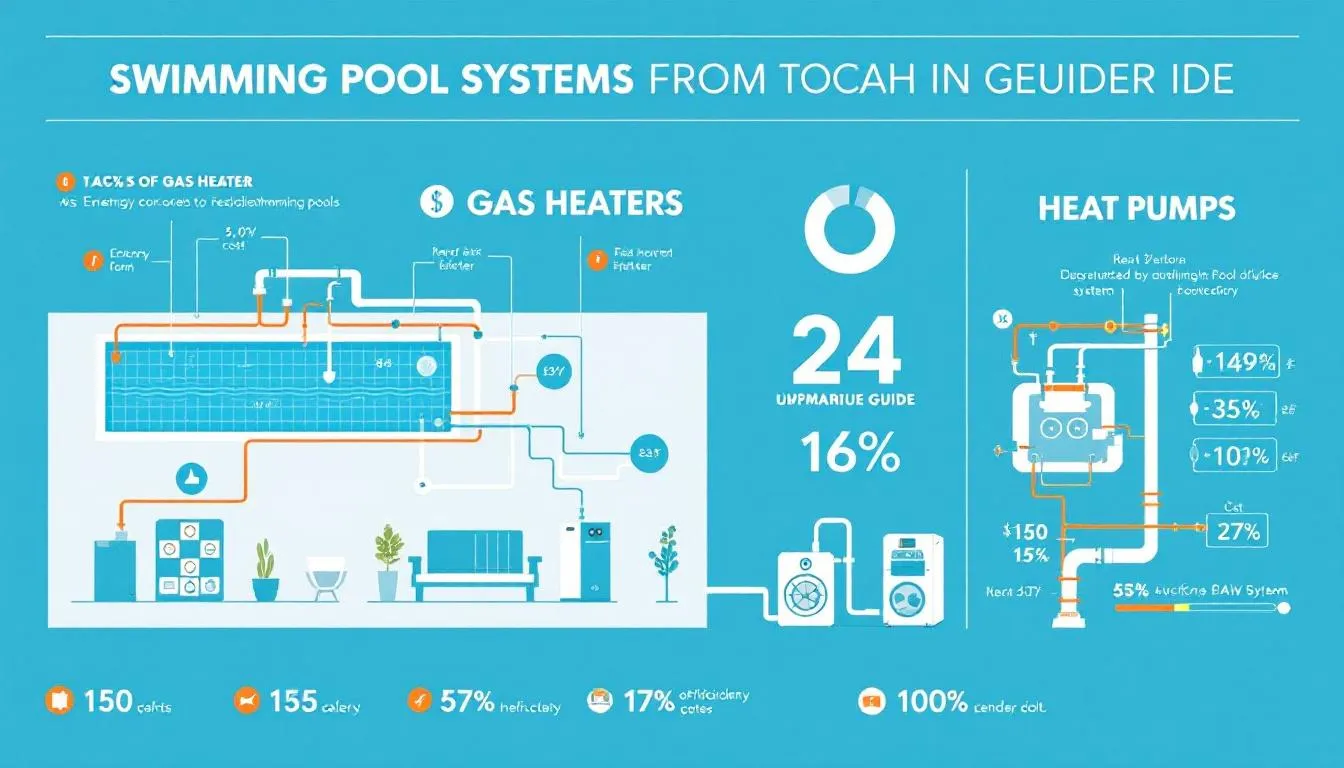 Investing in a swimming pool heating system boosts comfort and convenience. It also increases the overall enjoyment of the swimming pools. Heated pools provide a relaxing environment, which is particularly beneficial in facilities like hotels and resorts where longer stays and repeat visits are encouraged. For residential pool owners, maintaining a comfortable water temperature is essential to fully enjoy the heating pools experience and to heat your pool effectively.
Efficient pool heating systems are the best method to prolong the swimming season. They help you maximize the value of your investment. Heated pools not only improve the swimming experience but also boost confidence among children learning to swim, thanks to the consistent warm environment. This guide will:
Explore various types of pool heating systems
Provide decision aids to help you choose the right system for your needs
Offer maintenance tips for pool heating systems
Whether you're a new pool owner or looking to upgrade your current system, it's crucial to consider swimming pool heating options to maximize your pool usage year-round. Understanding the different types of heating systems allows you to select one that best fits your climate, pool size, and usage frequency.
Solar Pool Heaters: Harnessing the Sun's Energy
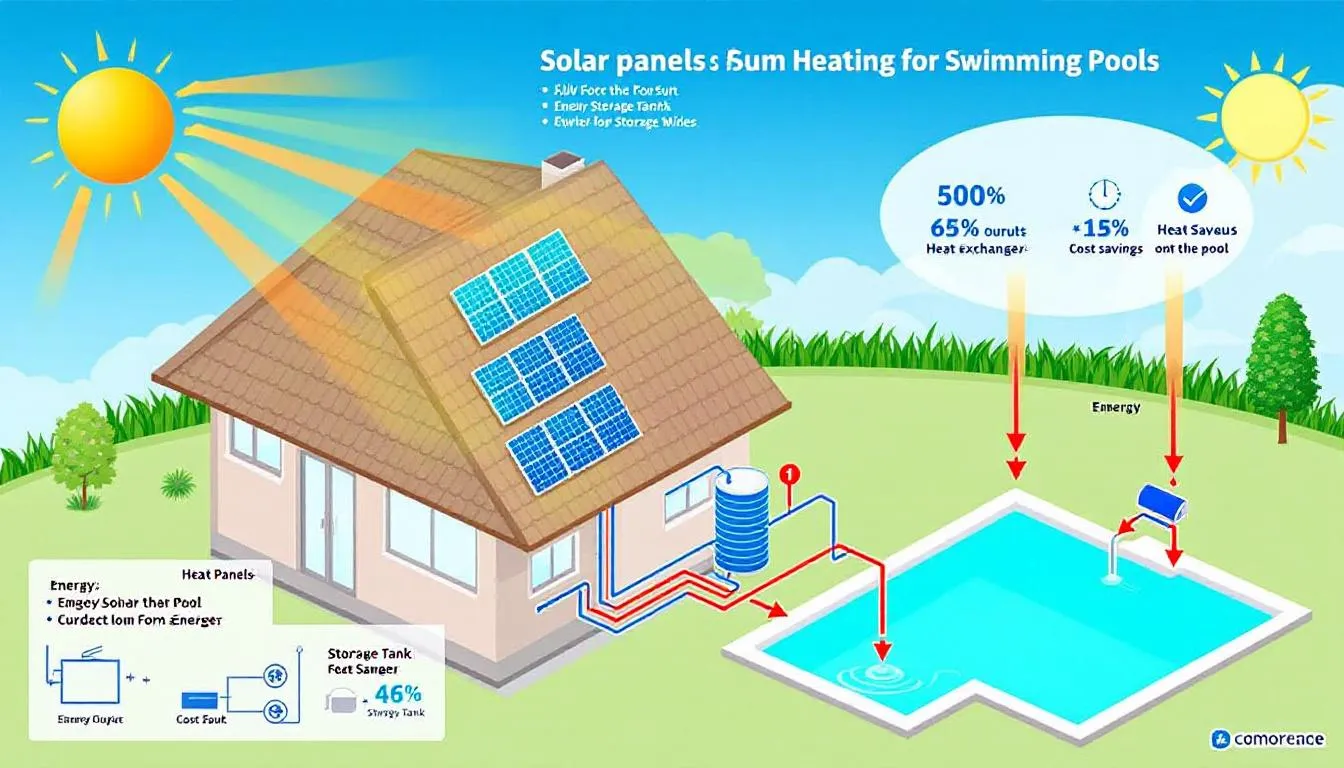 Solar pool heaters harness the sun's energy to heat pool water, making them one of the most energy-efficient and cost-effective options available. These systems operate by pumping water into solar collectors that absorb heat from the sun and then returning the heated water back to the pool. With their low operating costs and potential to last up to 20 years, solar heaters are an attractive choice for many pool owners.
One of the significant advantages of solar heating systems is their versatility. They can operate effectively even in areas with less direct sunlight, making them suitable for various climates. Key points include:
The amount of solar collector area needed generally ranges from 50% to 100% of the pool's surface area, depending on the climate.
In sunnier regions, solar pool heaters offer a highly affordable heating option, utilizing the sun's heat efficiently.
These systems significantly extend the swimming season by increasing water temperatures.
There are different types of solar collectors to consider. Unglazed collectors are less expensive and sufficient for use in warmer climates. In contrast, glazed collectors capture solar heat more effectively in colder conditions, making them suitable for year-round use.
Investing in a solar pool heater not only reduces energy bills but also helps you save money while contributing to a more sustainable and environmentally friendly pool heating solution.
Gas Pool Heaters: Rapid Heating Solutions
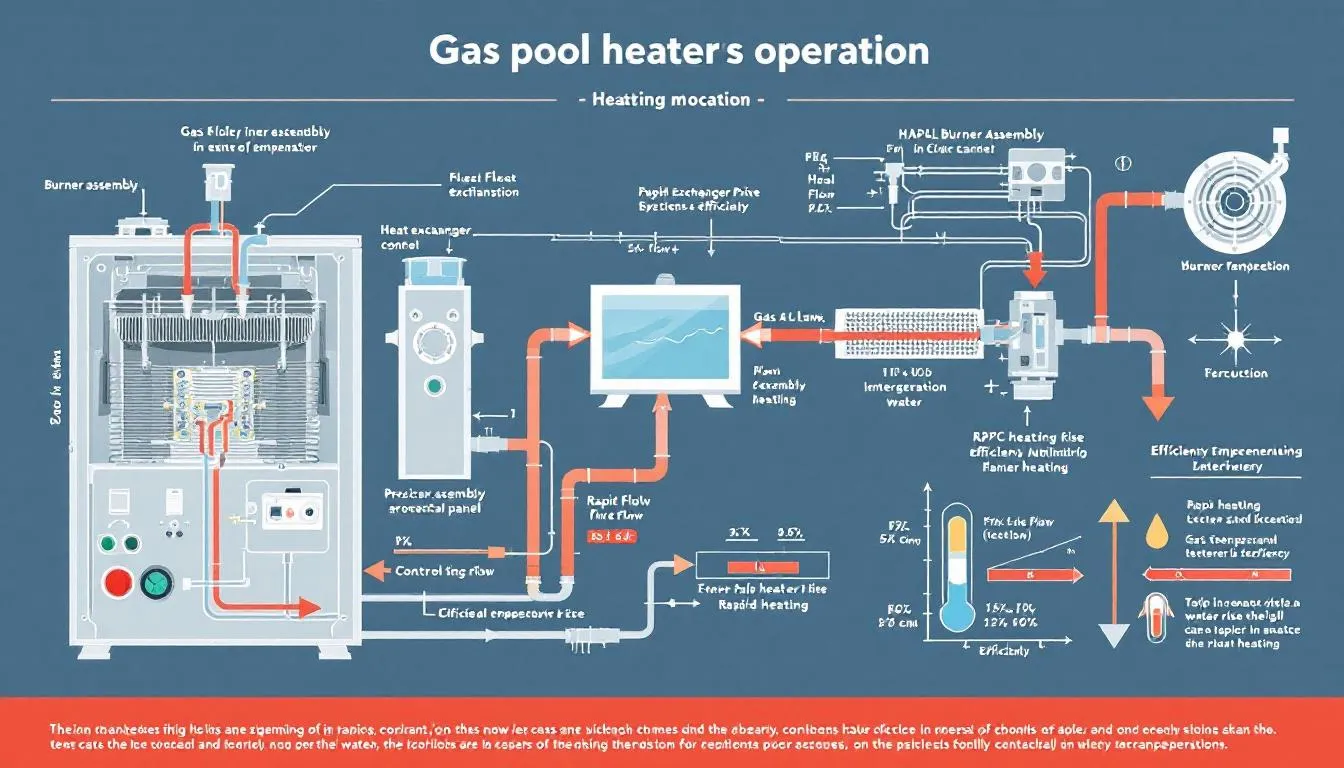 Gas pool heaters are renowned for their rapid heating capabilities, able to raise the temperature of a pool in just a few hours. These heaters typically use propane or natural gas as their fuel source. They operate by sucking water from the pool, heating it in a combustion chamber, and then returning the hot water back to the pool.
While gas pool heaters are popular for their fast heating, their operational costs can be higher compared to other systems. This makes them particularly suitable for pools that are used occasionally or in colder climates, where maintaining a desired water temperature regardless of external conditions is crucial. Despite the higher running costs, the quick heating ability of gas pool heaters makes them a preferred choice for those who need to heat their pool rapidly.
Gas pool heaters are also versatile, capable of maintaining the pool's temperature even when the outside weather is less than ideal. This makes them an excellent option for pool owners looking to enjoy their traditional pool heaters throughout the year, regardless of the season.
Electric Pool Heaters: Efficient and Reliable
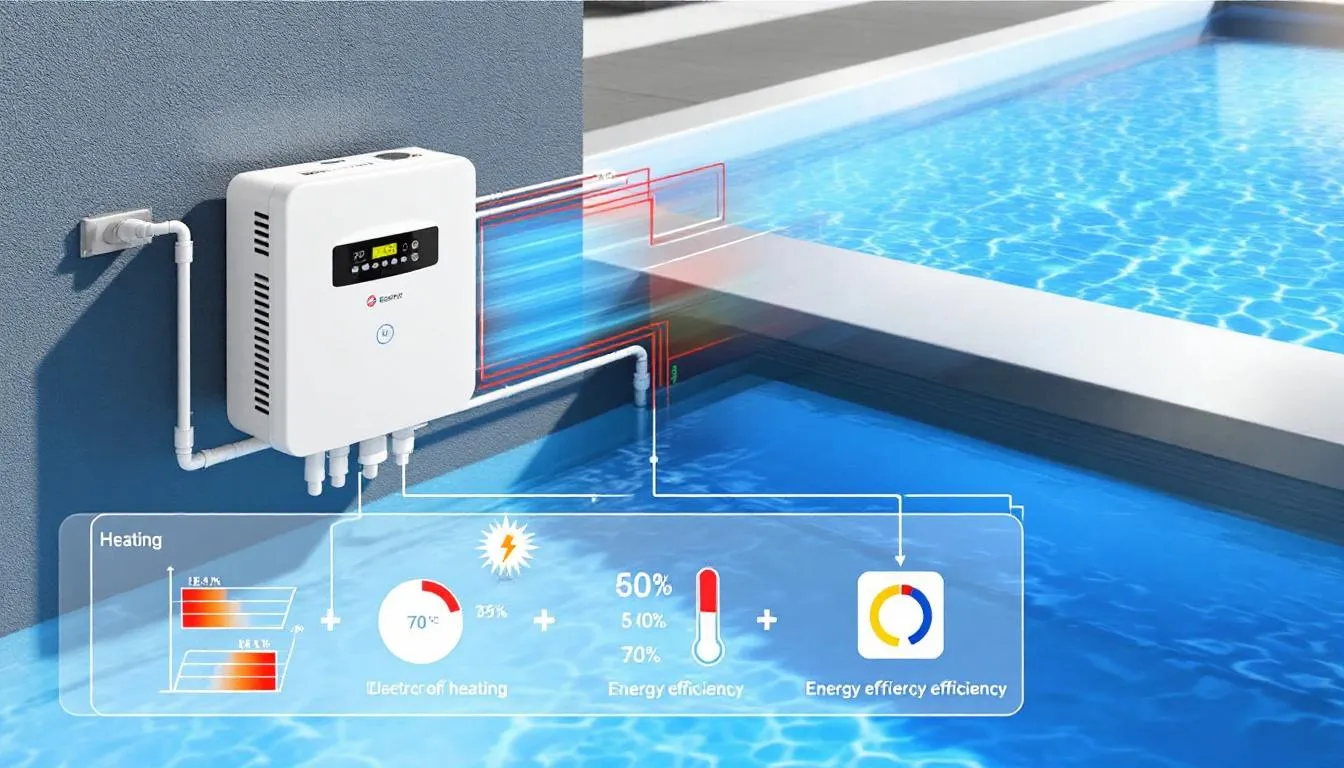 Electric pool heaters use electricity to heat water circulating through a heating element, making them an efficient and reliable option for pool heating. Compared to gas heaters, electric pool heaters often have lower operational costs due to their higher efficiency. However, their efficiency can decrease as the ambient temperature drops, making them less effective in colder climates.
Electric pool heaters are ideal for midsize or large pools, providing a balance between heating time and operational costs. Key points about electric pool heaters include:
Their efficiency is measured by the coefficient of performance (COP), with a higher COP indicating more efficient heating.
Regular maintenance can extend the lifespan of electric pool heaters to over ten years.
They offer a long-term, reliable heating solution.
These heaters require a minimum ambient temperature of 7 degrees Celsius to operate effectively at the set temperature. Despite this limitation, their cost-effectiveness and reliability make them a popular choice for many pool owners looking for a dependable heating solution.
Heat Pumps: Sustainable and Cost-Effective
Heat pumps are recognized as the most energy-efficient pool heating system, providing significant energy savings compared to gas and electric resistance heaters. They operate by extract heat from the ambient air and transferring it to the pool water, with a coefficient of performance (COP) typically ranging from 3.0 to 7.0. This means they can provide 3-7 units of heat for each unit of electricity used, making them highly efficient. A pool pump can further enhance the efficiency of the overall system. Additionally, pool heat pumps can be an excellent choice for those looking to maximize their energy savings.
There are two primary types of heat pumps: air-source and geothermal. Air-source heat pumps are most efficient in warmer climates where outdoor temperatures exceed 50°F, while geothermal heat pumps can be effective in a wider range of climates. Although heat pumps have moderate operational costs, their lower electricity rates and long lifespan make them a cost-effective solution for frequent pool use.
One disadvantage of heat pumps is that their efficiency can be affected by outside temperatures, potentially resulting in higher upfront costs. However, advanced models can also lower pool temperatures during hot weather, providing additional versatility. Overall, the numerous benefits of heat pumps, including energy efficiency and cost savings, make them an attractive option for environmentally conscious pool owners.
Key Factors in Choosing a Pool Heating System
Choosing the right pool heating system involves considering several key factors, such as climate, pool size, and energy costs. Each of these factors plays a crucial role in determining the efficiency and effectiveness of different heating systems. Understanding how these elements interact can help you make an informed decision that maximizes your pool's comfort and usability.
6.1 Local Climate The local climate significantly impacts the efficiency and effectiveness of pool heating systems. For instance, gas heaters or electric heaters are ideal for colder climates with low sun exposure, as they can maintain the desired water temperature regardless of external weather conditions. In contrast, heat pumps are most effective in climates where outdoor temperatures exceed 50 degrees Fahrenheit.
Evaluating local average temperatures and weather patterns is essential to choose an efficient pool heating system. Understanding the local climate's influence can help you select a system that offers optimal performance and energy efficiency throughout the swimming season.
6.2 Pool Size and Usage Frequency The size of your pool and how frequently it is used are crucial factors in determining the heating capacity required. Larger pools demand more powerful heaters to maintain a comfortable water temperature. Conversely, smaller pools may not need as robust a system, allowing for more energy-efficient options. Additionally, considering the pool's size can further influence your heating choices.
The frequency of pool use directly affects heating requirements. For instance, gas pool heaters are particularly effective for pools that are used only occasionally, as they can heat water rapidly. Understanding your pool's size and usage patterns can help you choose a heating system that meets your specific needs without incurring unnecessary energy costs.
6.3 Energy Efficiency and Operational Costs Energy efficiency and operational costs are critical considerations when selecting a pool heating system. Modern gas pool heaters can reach efficiency levels between 89% to 95%, providing substantial energy savings. Heat pumps, on the other hand, can save users up to $400 annually on energy costs when running at 85 degrees.
Evaluating the long-term operational costs of heating systems is essential, as these costs can vary significantly based on regional energy prices and the specific technology used. Higher energy efficiency typically results in lower operational costs over time, making it a crucial factor in choosing a cost effective solutions.
Local Climate
The local climate significantly impacts the efficiency and effectiveness of pool heating systems. For instance, gas heaters or electric heaters are ideal for colder climates with low sun exposure, as they can maintain the desired water temperature regardless of external weather conditions.
In contrast, heat pumps are most effective in climates where outdoor temperatures exceed 50 degrees Fahrenheit. Evaluating local average temperatures and weather patterns, as well as the pool's temperature, is essential to choose an efficient pool heating system.
Understanding the local climate's influence can help you select a system that offers optimal performance and energy efficiency for year round swimming throughout the ultimate guide swimming season.
Pool Size and Usage Frequency
The size of your pool and how frequently it is used are crucial factors in determining the heating capacity required. Larger pools demand more powerful heaters to maintain a comfortable water temperature. Conversely, smaller pools may not need as robust a system, allowing for more energy-efficient options.
The frequency of pool use directly affects heating requirements. For instance, gas pool heaters are particularly effective for pools that are used only occasionally, as they can heat water rapidly. Understanding your pool's size and usage patterns can help you choose a heating system that meets your specific needs without incurring unnecessary energy costs.
Energy Efficiency and Operational Costs
Energy efficiency and operational costs are critical considerations when selecting a pool heating system. Modern gas pool heaters can reach efficiency levels between 89% to 95%, providing substantial energy savings. Heat pumps, on the other hand, can save users up to $400 annually on energy costs when running at 85 degrees.
Evaluating the long-term operational costs of heating systems is essential, as these costs can vary significantly based on regional energy prices and the specific technology used. Higher energy efficiency typically results in lower operational costs over time, making it a crucial factor in choosing a cost-effective solution.
Installation Tips for Optimal Performance
Proper installation of pool heating systems is vital to ensure efficient operation and longevity. Enclosures around outdoor pools provide built-in insulation, helping to maintain heat and protect against weather conditions. Following the right installation procedures can maximize the efficiency and lifespan of your pool heating system.
7.1 Professional Installation Hiring certified professionals for the installation of your pool heater ensures safety and efficiency. A professional installation can guarantee:
The heater is placed on a solid, level surface
Adequate ventilation is provided
Close proximity to plumbing is maintained Proper sizing of the gas pool heater is also essential, considering factors like pool surface area and the desired temperature rise.
7.2 Proper Location and Setup Choosing the right location for your pool heater is crucial for optimal performance. It should be connected to a dedicated electrical circuit to ensure safe and efficient operation. Adequate ventilation helps prevent overheating and maintains the efficiency of the system.
7.3 Regular Maintenance Practices Regular maintenance is essential for prolonging the lifespan and maintaining the efficiency of pool heating systems. Routine maintenance practices, such as cleaning the evaporator coil and checking refrigerant levels, can extend the lifespan of heat pump pool heaters to over a decade. Gas pool heaters require regular checks for leaks and burner function to ensure optimal performance.
Professional Installation
Hiring certified professionals for the installation of your pool heater ensures safety and efficiency. A professional installation can guarantee that the heater is placed on a solid, level surface with adequate ventilation and close proximity to plumbing.
Proper sizing of the gas pool heater is also essential, considering factors like pool surface area and the desired temperature rise.
Proper Location and Setup
Choosing the right pool heater location for your pool heater is crucial for optimal performance. It should be connected to a dedicated electrical connections circuit to ensure safe and efficient operation.
Adequate ventilation helps prevent overheating and maintains the efficiency of the system.
Regular Maintenance Practices
Regular maintenance is essential for prolonging the lifespan and maintaining the efficiency of pool heating systems. Routine maintenance practices, such as cleaning the evaporator coils and checking refrigerant levels, can extend the lifespan of heat pump pool heaters to over a decade.
Gas pool heaters require regular checks for leaks and burner function to ensure optimal performance.
Maximizing Energy Efficiency in Pool Heating
Proper insulation can enhance the performance of pool heaters by retaining heat, which lowers operational costs. Using a solar pool cover can keep the pool warm without the frequent use of the pump, significantly reducing heat loss and maintaining pool temperature. Effective management of water circulation is also crucial for minimizing energy waste in pool heating systems.
Routine cleaning of pool filters is essential to maintain water quality and ensure efficient system operation. Implementing these strategies allows pool owners to maximize the energy efficiency of their heating systems, leading to significant savings on energy bills.
Environmental Impact of Pool Heating Systems
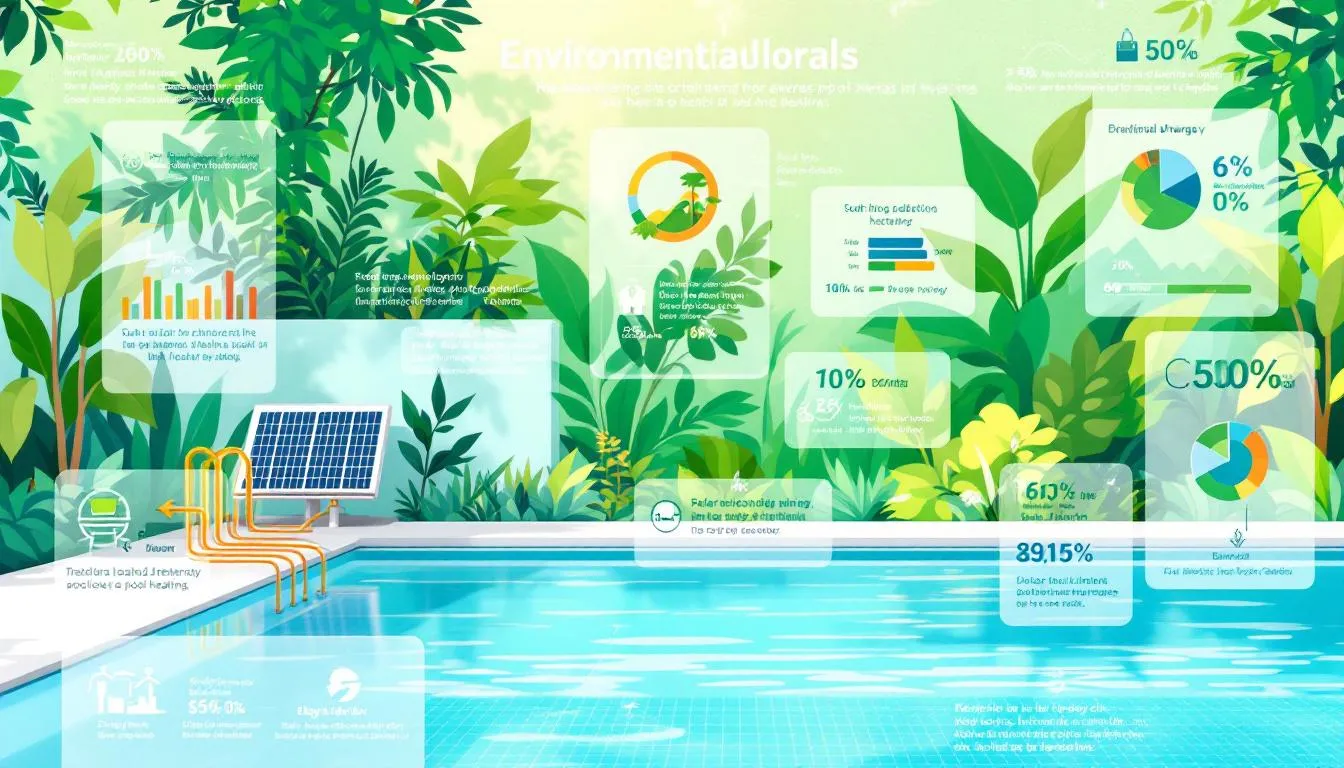 Choosing the right pool heating system involves considering its environmental impact, including carbon emissions and sustainability. Gas pool heaters contribute significantly to carbon emissions, averaging 5,000 pounds of CO₂ per year, making them the least eco-friendly option.
Electric heat pumps are more efficient than gas heaters and are an energy efficient option, but their reliance on non-renewable energy can still have a notable environmental impact, especially in colder climates where efficiency drops.
Solar pool heaters, on the other hand, are considered the most eco-friendly option as they produce zero emissions during operation and significantly reduce greenhouse gas emissions compared to gas heating systems. Understanding the environmental impact of different heating systems can help pool owners make more sustainable choices.
Cost Considerations for Pool Heating Systems
The costs involved in purchasing, installing, and operating different pool heating systems are crucial factors to consider:
Installing a solar pool heater typically costs between $2,500 and $4,000.
Solar pool heaters have the highest initial costs but the lowest ongoing expenses.
Solar heating is generally recognized as the cheapest method for heating a swimming pool.
Using solar heating leads to substantial long-term monetary and environmental savings.
Gas heating systems, on the other hand, generally have the highest running costs, with monthly operating costs ranging from $200 to $400 during the swimming season. Heat pumps have a monthly operating cost between $50 to $150 in moderate weather conditions, making them a more cost-effective solution. Regular servicing, maintenance costs, and potential repairs should also be factored into the overall costs.
States like California are increasingly banning gas pool heaters in new constructions, emphasizing the shift towards solar pool heating as a sustainable choice. By considering these cost factors, pool owners can make informed decisions that align with their budget and environmental goals.
Summary
In summary, choosing the right pool heating system requires careful consideration of various factors, including climate, pool size, usage frequency, energy efficiency, and costs. Solar pool heaters offer an eco-friendly and cost-effective option, while gas heaters provide rapid heating for occasional use. Electric heaters and heat pumps present reliable and efficient alternatives, each with their unique advantages and limitations.
By understanding the benefits and operational nuances of each heating system, pool owners can make informed decisions that enhance their swimming experience and maximize their investment. Whether opting for a sustainable solar solution or a quick-heating gas system, the right pool heater can provide comfort, convenience, and year-round enjoyment.